This question comes up regularly, usually after someone has discovered significant moisture damage in their home and is hoping the insurance will help cover the cost of putting it right. Peeling paint, softened timber, mould damage to walls and ceilings, and sometimes even warped flooring.
Having worked across ventilation and building performance in NZ homes for over a decade, I have been in the room when homeowners get the answer, and it is usually not the one they were hoping for.
In most cases, standard home insurance in New Zealand does not cover damage caused by condensation.
Understanding why helps you plan accordingly and, more importantly, take steps to prevent the damage from building up in the first place.
Quick Summary
- Most standard NZ home insurance policies I’ve had exclude damage caused by condensation, moisture, and gradual deterioration
- Insurance is designed to cover sudden, accidental events, not slow, ongoing damage from indoor humidity
- Damage from a burst pipe or storm is typically covered, but damage from years of condensation sitting on surfaces is not
- Mould caused by condensation is almost always excluded because it is considered a maintenance issue
- The distinction between a leak and condensation matters for insurance purposes, so getting the diagnosis right is important
- Prevention through ventilation, heating, and moisture control is far more cost-effective than dealing with uninsured damage
- Policy wording varies between insurers, so checking your specific policy is always worth doing
Why Insurance Typically Does Not Cover Condensation
Home insurance in New Zealand is generally structured around sudden, unforeseen events. A storm damages your roof, a pipe bursts and floods a room, a fire breaks out.
These are the kinds of events insurance is designed to respond to: unexpected, sudden, and causing immediate damage.
Condensation damage does not fit that model. It builds gradually over weeks, months, or years. Moisture from humid indoor air settles on cold surfaces day after day, and the damage accumulates slowly.
Paint peels, timber softens, plaster deteriorates, and mould establishes, all through a process that insurers classify as gradual deterioration rather than a sudden event.
Most policies have specific exclusion clauses for gradual damage, moisture, mildew, and mould. The language varies among insurers, but the principle remains the same. If the damage happened slowly over time due to conditions inside the home, it is generally treated as a maintenance responsibility rather than an insurable event.
What Is Typically Excluded
While every policy is different and you should always check your own, the types of condensation-related damage that are commonly excluded include:
- Paint peeling or bubbling on walls and ceilings from long-term moisture exposure
- Timber decay on window frames, sills, and skirting boards caused by repeated condensation pooling
- Mould growth on walls, ceilings, curtains, and soft furnishings
- Plaster deterioration from persistent dampness on exterior-facing walls
- Carpet or flooring damage from moisture wicking down from condensation on the walls
- Musty odours are embedded in materials from prolonged high humidity
The common thread is that all of these develop slowly and are related to how the home manages moisture over time. Insurers view them as the result of conditions that the homeowner can influence through maintenance, ventilation, and heating rather than as accidental damage.
The Leak vs Condensation Distinction
This is where it gets important from a practical standpoint. Damage from a sudden water event, like a burst pipe, a roof leak during a storm, or a plumbing failure, is typically covered by insurance. Damage from condensation is not. The problem is that moisture damage from a leak and moisture damage from condensation can sometimes look very similar on the surface.
A lot of people confuse condensation with actual dampness or leaks, but the distinction matters enormously when it comes to insurance. A brown stain on the ceiling that appeared after a heavy storm points to a leak and may well be covered. A similar stain that has been building gradually through winter, from high indoor humidity, is condensation damage and almost certainly will not be.
Getting the right diagnosis before filing a claim saves time and frustration. If you are unsure whether you are dealing with condensation or a leak, looking at the timing and pattern usually makes it clear.
Condensation damage is seasonal, widespread, and follows cold surfaces. Leak damage is localised, irregular, and linked to weather events.
Please note these are general answer from experience. It may vary from providers.
| Damage Type | Likely Covered? | Why |
|---|---|---|
| A burst pipe is flooding a room | Yes, typically | Sudden, accidental event |
| Storm damage to roof causing water entry | Yes, typically | Sudden, weather-related event |
| Condensation damage to paint and plaster | No, typically | Gradual deterioration, maintenance issue |
| Mould from long-term high humidity | No, typically | Gradual, related to indoor conditions |
| Timber decay from repeated condensation | No, typically | Slow damage over months or years |
The Real Cost of Uninsured Condensation Damage
Because condensation damage falls outside most insurance coverage, the cost of repair is borne entirely by the homeowner. And those costs can be high when damage has been accumulating over several winters.
Replacing rotted window frames, repainting multiple rooms, treating or replacing mould-damaged materials, and addressing structural timber that has absorbed moisture over years can run into thousands of dollars. I have seen homes where the cumulative flow-on effects of condensation were extensive enough that the repair bill would have paid for a ventilation system several times over.
This is why prevention is so much more cost-effective than repair. Addressing condensation before it causes damage is cheaper than fixing the damage after the fact, especially when insurance will not help cover the cost.
What You Can Do Instead
Since insurance is unlikely to help, the most practical approach is to reduce condensation before damage accumulates. The strategy is the same one that applies across all condensation issues in NZ homes, reduce moisture in the air, keep surfaces warmer, and get air moving.
Improve Ventilation
A whole-house ventilation system continuously exchanges humid indoor air for drier filtered air, reducing the moisture load across the entire home. Even simpler steps like running bathroom extractor fans properly, opening windows briefly each morning, and keeping internal doors slightly ajar all help lower humidity and prevent moisture from settling on cold surfaces.
Heat Consistently
Cold surfaces attract condensation. Keeping the home at a steady, moderate temperature through the evening and overnight prevents walls and windows from dropping to the dew point.
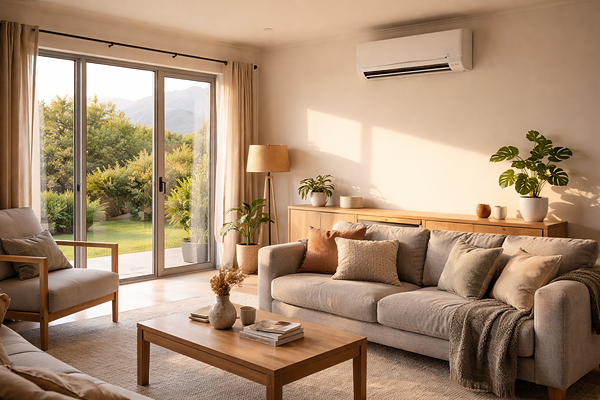
A heat pump running consistently at 18 degrees does more to prevent condensation damage than heating hard for an hour and switching off.
Reduce Moisture at the Source
Using extraction fans when cooking and showering, drying clothes outside rather than on indoor racks, and avoiding unflued gas heaters all reduce the total moisture going into the air.
Every litre of moisture you prevent from entering the home is a litre that cannot condense on your walls, damage your paint, or soften your timber.
Stay on Top of Early Signs
The earlier you catch condensation building, the easier and cheaper it is to address. Windows fogging every morning, paint starting to peel on exterior walls, or a musty smell developing in bedrooms are all early indicators that moisture is accumulating faster than the home can manage. Acting on those signs before structural damage sets in is the most cost-effective approach available.
Frequently Asked Questions
Should I check my specific insurance policy?
Yes. While most policies exclude condensation damage, the exact wording and exclusions vary between insurers. It is always worth reading your policy or calling your insurer to understand exactly what is and is not covered for your home.
What if condensation damage leads to a larger problem?
If condensation damage weakens a structure and that leads to a sudden failure, the situation becomes more complex. Some insurers may cover the sudden failure itself but not the underlying gradual damage. Each case depends on the specific policy and circumstances.
Does contents insurance cover mould damage to belongings?
Contents insurance typically excludes damage from mould, mildew, and gradual deterioration, as house insurance does. Clothing, furniture, and other belongings damaged by condensation-related mould are generally not covered.
Is it worth claiming for water damage that might be condensation?
If you believe the damage is from a sudden event like a leak rather than from gradual condensation, it is worth discussing with your insurer. Having clear documentation of when the damage appeared and any weather events that preceded it strengthens a claim. If the damage is clearly from long-term condensation, filing a claim is unlikely to succeed and may complicate future claims.