Insulation is one of the first things people think about when their home feels cold and damp. It makes sense on the surface: a warmer house should be a drier house.
So often, people I audit look only at infrastructure as the cause of the moisture.
The reason is simple. Insulation keeps surfaces warmer, which reduces condensation on those surfaces. But it does nothing about the moisture in the air.
If the humidity inside the home stays high, the moisture just moves to the next coldest surface and the problem continues.
Summary
- Insulation keeps wall and ceiling surfaces warmer, which reduces condensation on those surfaces
- Insulation does not remove moisture from the air, so if humidity stays high, condensation moves to the next coldest surface
- Many newly insulated NZ homes still have condensation on windows and aluminium frames because those surfaces remain cold
- Insulation combined with better airtightness can actually make moisture worse if ventilation is not improved at the same time
- The three components that work together are insulation (warm surfaces), ventilation (moisture removal), and consistent heating (maintaining warmth)
- Homes that insulate without improving ventilation often shift the condensation problem rather than solving it
- Ventilation is the part that actually removes moisture from the indoor air
What Insulation Actually Does
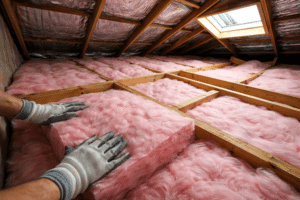
Insulation slows the transfer of heat through a surface. In a wall, ceiling, or floor, it keeps the warm side warmer and the cold side colder by reducing the rate at which heat passes through.
In practical terms, for a home, that means insulated walls and ceilings stay closer to room temperature on the inside surface, rather than dropping toward outside temperature.
That warmer surface is genuinely helpful for condensation control. Condensation forms when a surface drops below the dew point of the surrounding air.
By keeping wall and ceiling surfaces warmer, insulation raises the bar for how humid the air needs to be before condensation starts forming on those surfaces.
In an uninsulated home, walls can be cold enough for condensation at moderate humidity. In an insulated home, the air has to be significantly more humid before the same thing happens.
That is a real benefit, and it is why insulation is part of the solution. The issue is that many people expect it to be the whole solution.
What Insulation Does Not Do
Insulation does not remove moisture from the air. A home that produces 10 to 15 litres of moisture per day from breathing, cooking, showering, and drying clothes will still have that same moisture load whether the walls are insulated or not. The insulation keeps the walls warmer, but the humid air remains, carrying the same amount of water vapour.
That moisture has to go somewhere. In an insulated home with good ventilation, it is exchanged through airflow, keeping the home dry. In an insulated home with poor ventilation, moisture stays trapped indoors and simply finds another surface to condense on.
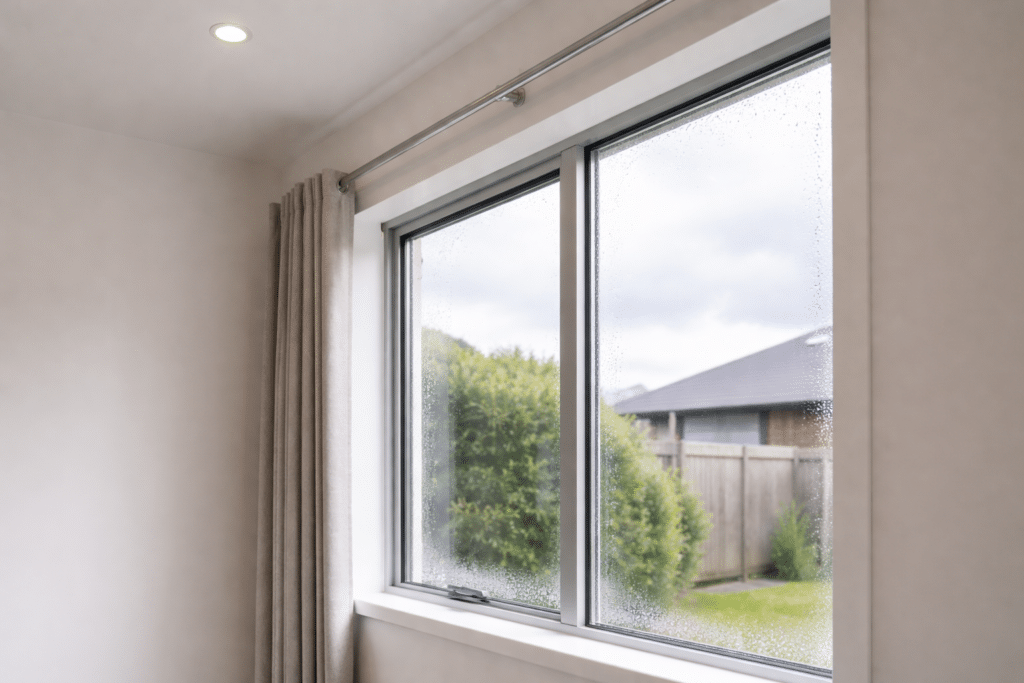
The most common place it moves to is the windows. Even in a well-insulated home, single-glazed aluminium windows remain the coldest surface in the room.
Insulating the walls and ceiling just shifts the condensation from the walls to the glass, because the windows are now the only surface cold enough to trigger the dew point. The total amount of moisture in the air has not changed, it has just concentrated on a smaller target.
The New Build Paradox
This is something I see regularly, and it surprises many homeowners. New builds with good insulation can actually have worse condensation problems than older draughty homes, and the reason is airtightness.
Modern NZ homes are built to be more airtight than older ones. That is good for energy efficiency because less heat escapes through gaps and cracks.
But it also means less accidental ventilation. In an older home, draughts around windows and doors provide uncontrolled air exchange that, while uncomfortable, does carry some moisture out of the building. A new, tight home seals in moisture.
The result is that a well-insulated, airtight new home with two or three occupants, a bathroom, and a kitchen can build up humidity rapidly if the ventilation is not matched to the airtightness.
The walls and ceiling might be condensation-free because they are warm, but the windows steam every morning, and the air feels heavy because the moisture from daily living has no exit path.
The Retrofit Scenario
The other common scenario is an older home that gets insulation retrofitted into the ceiling, underfloor, or walls. The homeowner expects the house to feel warmer and drier, and it often does, since the surfaces are no longer freezing cold. But the dampness can persist or even feel worse in some rooms.
What has happened is that the insulation has reduced the draughts and cold spots that were, unintentionally, helping move air through the building.
The home is now tighter, warmer on the surface, but holding more moisture in the air because the accidental ventilation that was carrying some of it away has been reduced. The older home now has warmer walls but a humidity problem it did not have as visibly before.
This is not a reason to avoid insulation. It is a reason to pair insulation with adequate ventilation so that the moisture has somewhere to go.
The Three-Part System
Managing moisture in a home is a system with three parts, and all three need to be working together. Relying on just one or two creates gaps that the moisture will find.
| Component | What It Does | What It Cannot Do Alone |
|---|---|---|
| Insulation | Keeps surfaces warmer, reduces condensation on walls and ceilings | Cannot remove moisture from the air |
| Ventilation (Manual or Mechanical) | Exchanges humid air for drier air, lowers indoor humidity | Cannot prevent surfaces from being cold if insulation is absent |
| Consistent heating | Maintains surface temperatures above the dew point | Cannot overcome saturated air if ventilation is poor |
When all three are working, the home stays dry. Insulation keeps surfaces warm. Ventilation removes moisture produced by occupants.
Consistent heating maintains the warmth, so surfaces never drop to the dew point. Remove any one of the three, and the system develops a gap that moisture will exploit.
Why Ventilation Is the Missing Piece
Of the three components, ventilation is the one most often absent in NZ homes. Most homes have some insulation, at least in the ceiling. Most homes have some form of heating.
Manual ventilation is common in Europe, it’s as simple as opening windows daily.
But many homes, especially older ones, have no mechanical ventilation (which brings in dry air throughout the home). The air inside the home only moves when someone opens a window, and in winter, that rarely happens because people are trying to keep the warmth in.
Without ventilation, the moisture from breathing, cooking, and showering accumulates in the air hour after hour. The insulation keeps the walls warm, the heating keeps the room warm, but the air itself is becoming increasingly saturated. By morning, that moisture-laden air meets the coldest remaining surface and condensation forms in the familiar winter pattern of wet windows and damp corners.
Adding ventilation to a home that already has insulation and heating is often the change that makes everything click. The humidity drops, the heating works more efficiently because it is not fighting saturated air, and the surfaces that were still getting condensation finally stay dry because the air around them is no longer carrying excess moisture.
Frequently Asked Questions
Should I still insulate my home?
Absolutely. Insulation is a valuable part of managing moisture and keeping the home comfortable. The point is not to avoid insulation, but to understand that it works best when paired with adequate ventilation and consistent heating. On its own, it addresses surface temperature but not air humidity.
Why did my condensation get worse after insulating?
Insulating often reduces the accidental draughts that were helping move humid air out of the home. The surfaces are warmer, but the air is now holding more moisture because it has less escape. Adding ventilation restores the air exchange the home lost when it became tighter.
Is underfloor insulation worth it for moisture control?
Underfloor insulation keeps floors warmer and reduces the feeling of cold rising from below. It helps with comfort and can reduce ground moisture entering the home through the subfloor. Like ceiling and wall insulation, it works best as part of a system that also includes ventilation and heating.
What type of ventilation works best alongside insulation?
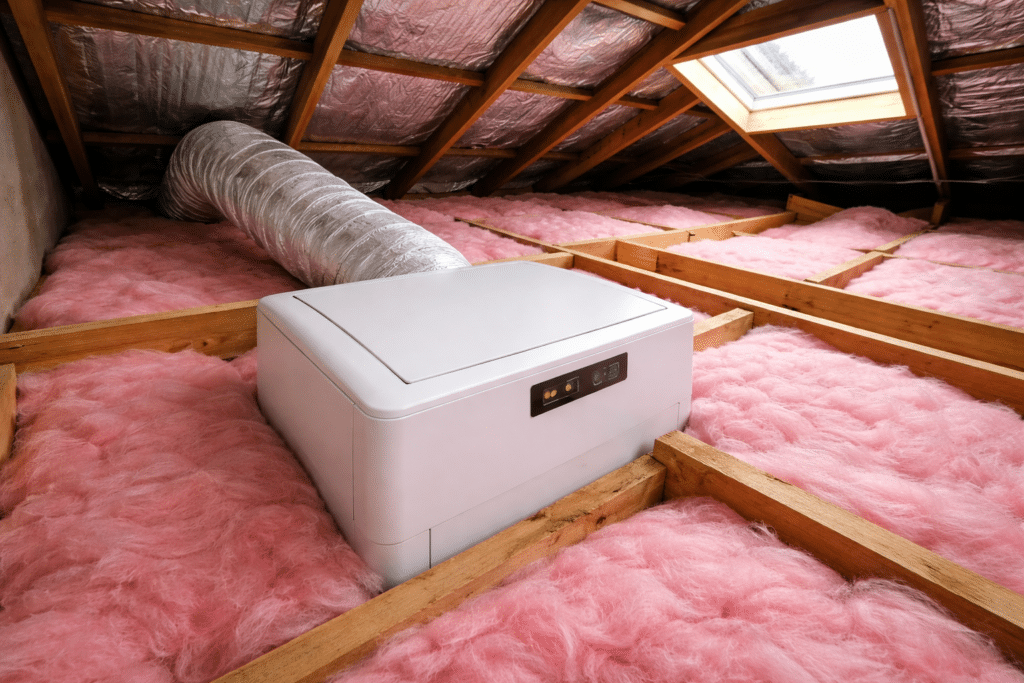
A whole-house positive pressure system that continuously introduces filtered drier air from the roof cavity is one of the most effective options for NZ homes. It works well because it creates gentle positive pressure that pushes stale humid air out through natural gaps, replacing it with drier air without the energy loss of leaving windows open.