There is something special about an old New Zealand villa. The high ceilings, the native timber, the character that modern builds rarely match.
But anyone who has lived through a winter in one knows the other side of the story. The cold that seeps through walls, the windows that stream with water, the rooms that never quite feel warm, no matter how hard the heating runs.
Summary
- Old NZ villas were designed for ventilation in summer, not for retaining warmth or managing moisture in winter
- Most villas have no wall insulation, single-glazed timber or aluminium windows, and unlined subfloor spaces that allow ground moisture to rise
- High ceilings mean warm air rises away from occupants and condenses on the cold ceiling surface above
- Single-skin weatherboard walls lose heat rapidly, keeping interior surfaces cold enough for condensation to form at moderate humidity
- The draughts that make villas cold also provide some accidental ventilation, but not enough to control modern moisture loads
- Villas can be improved significantly without losing their character through targeted insulation, ventilation, and consistent heating
- The combination of high ceilings, cold walls, and no mechanical ventilation makes villas some of the worst performers for winter dampness
How Villas Were Built
Most NZ villas were built between the 1880s and the 1920s. They were designed for a time when homes were heated by open fires and coal ranges, when doors and windows were left open much of the year, and when the idea of sealing a house to retain warmth simply did not exist.
They were tougher.
The focus was on ventilation and airflow, which served the occupants well in summer but left the building completely exposed in winter.
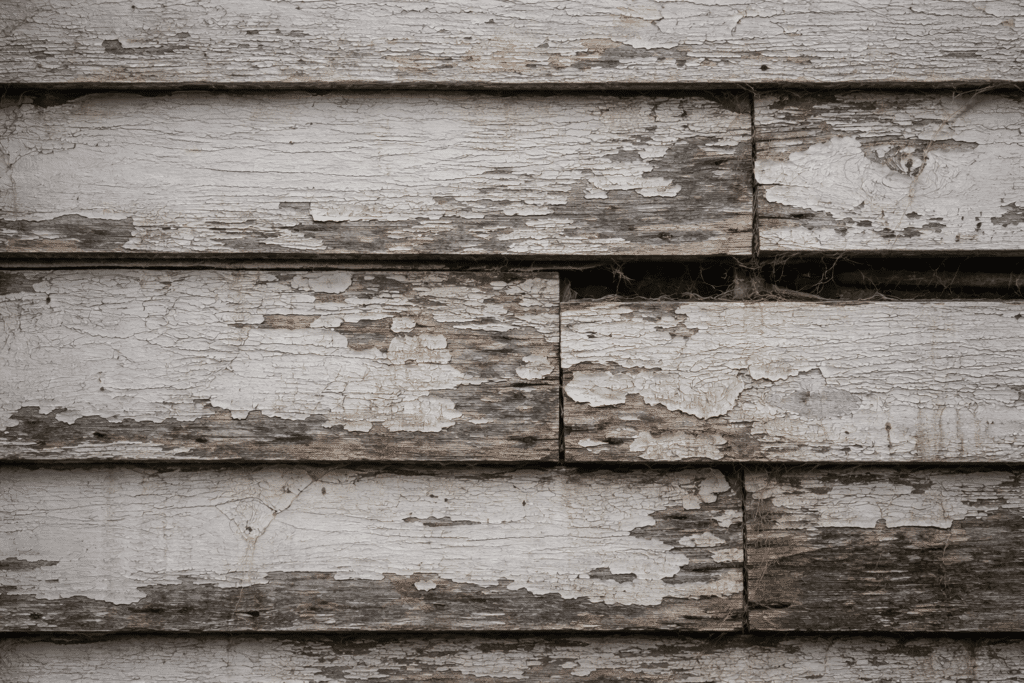
The typical villa construction is a single layer of weatherboard over a timber frame, with no cavity and no insulation in the walls. The ceiling may have a thin layer of sarking or building paper but little thermal resistance. The subfloor is usually an open crawl space with bare earth beneath, allowing ground moisture to rise into the structure. And the windows are almost always single-glazed, either the original timber sashes or replacement aluminium frames fitted during renovations over the decades.
Every one of those construction details works against the home in winter. The result is a building that loses heat rapidly through every surface, maintains cold interior walls that attract condensation, and allows moisture from the ground, the occupants, and the atmosphere to accumulate with no effective way to manage it. These are the same patterns I see in older homes across New Zealand, but villas combine all of them in one building.
The High Ceiling Problem
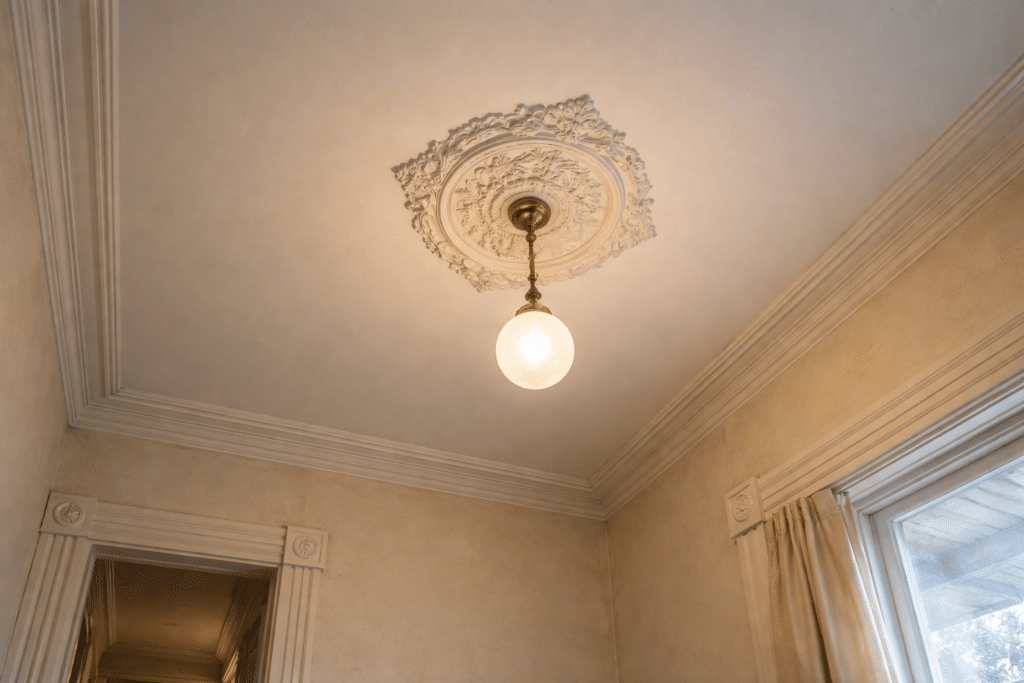
Villas are known for their generous ceiling heights, compared to the 2.4 metres in a modern home. That extra height is part of the character, but it creates significant challenges for both heating and moisture control.
Warm air rises. In a villa with 3-metre ceilings, the warmest air in the room sits well above head height while the cooler, denser air stays at floor level where the occupants are.
The heat pump or fireplace warms the air, but that warmth rises and settles against the ceiling, which in most villas is poorly insulated and very cold on the other side.
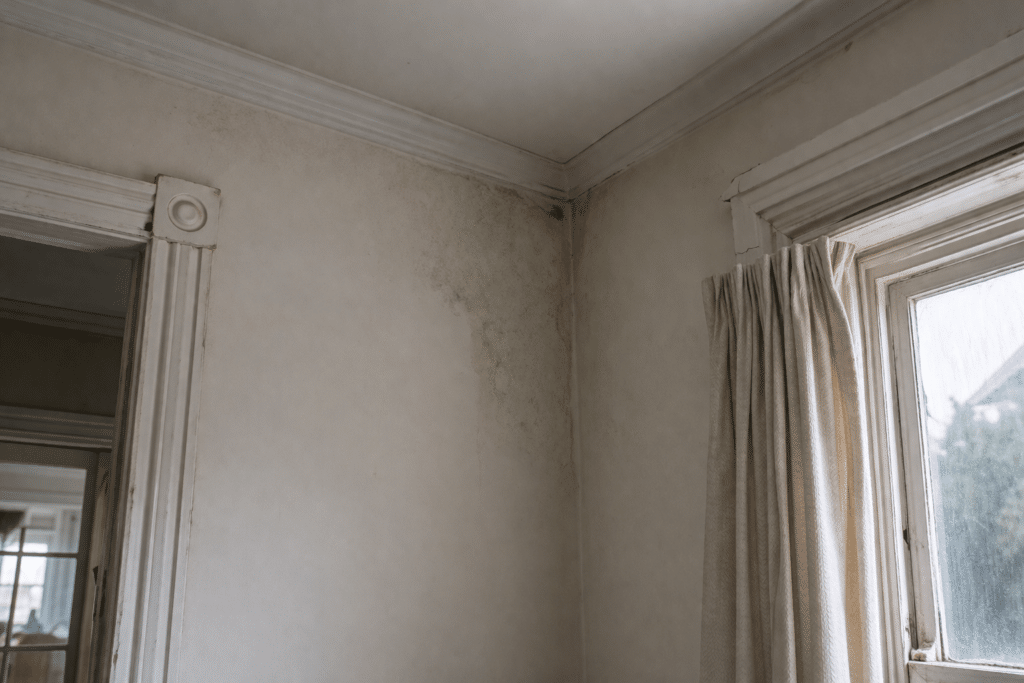
The warm, humid air meets the cold ceiling surface and condensation forms, which is why mould on ceilings is so common in villas, particularly in the corners where two cold surfaces meet.
The extra volume of air also means the heating has to work harder. A room with a 3-metre ceiling contains roughly 25% more air than the same floor area with a 2.4-metre ceiling. That is 25% more air to heat and 25% more air carrying moisture that can condense on cold surfaces.
Cold Walls and No Insulation
The single-skin weatherboard construction of a villa means the interior wall surface sits just a few centimetres from the outside air, with nothing in between to slow the heat transfer.
On a cold winter night, those wall surfaces drop to within a few degrees of the outside temperature, making them excellent condensation targets.
This is why villa owners often find damp patches on exterior walls, mould growing in corners, and paint peeling from furniture due to persistent moisture behind it. The wall is cold enough that even moderate indoor humidity triggers condensation.
In a modern, well-insulated home, the same humidity level would not cause a problem because the wall surface stays warm enough to remain above the dew point.
Retrofitting wall insulation in a villa is possible but complicated. The cavities are often shallow and irregular, which makes blown-in insulation the most practical option. It helps, but it is usually a partial improvement because of the limited cavity depth.
Ground Moisture and the Subfloor
Most villas have an open subfloor space with bare earth underneath. That exposed ground releases moisture continuously, especially in wet weather, and it rises into the timber floor structure and the rooms above. On a wet winter week, the amount of ground moisture entering the home can be substantial.
A ground moisture barrier, which is simply a thick polythene sheet laid over the ground under the house, can reduce this significantly.
Combined with adequate subfloor ventilation to allow airflow under the building, it addresses one of the less visible but important moisture sources that makes villas feel persistently damp.
The Draught Paradox
Villas are draughty. Gaps around windows, under doors, through floorboards, and at the junction of walls and ceilings all allow cold outside air to enter the home. That draughtiness makes the home feel cold and uncomfortable, and the instinct is to seal everything up to keep the warmth in.
But those draughts are also providing uncontrolled ventilation, which carries some moisture out of the building. Sealing a villa without adding mechanical ventilation can actually make the moisture problem worse, because the accidental air exchange that was removing some humidity gets blocked while the moisture production from occupants stays the same.
The better approach is to seal unnecessary draughts for comfort, but replace that accidental ventilation with a controlled ventilation system that continuously moves air through the home, removing moisture without the discomfort of cold draughts blowing through the living space.
What Can Realistically Be Done
Villas will never perform like a modern insulated home. The construction limits what is possible without gutting the building.
But they can be improved substantially, and the changes that make the biggest difference are practical and achievable without destroying the character that makes these homes worth keeping.
| Improvement | What It Addresses | Impact |
|---|---|---|
| Ceiling insulation | Heat loss through the roof, cold ceiling surface | High, often the single biggest improvement |
| Underfloor insulation | Cold floors, ground moisture transfer | Moderate to high |
| Ground moisture barrier | Rising damp from exposed earth under the house | Moderate, reduces a persistent moisture source |
| Whole-house ventilation | Stale humid air, replaces draughts with controlled airflow | High, the most effective moisture control change |
| Consistent heating | Cold surfaces that trigger condensation | High, prevents the overnight cool-down cycle |
| Draught sealing (with ventilation) | Uncontrolled cold air infiltration | Moderate, improves comfort and heating efficiency |
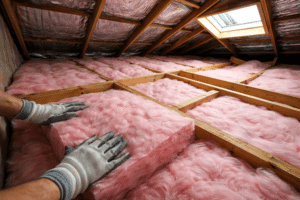
Of these, ceiling insulation and ventilation tend to deliver the most noticeable results in a villa. Ceiling insulation keeps the ceiling surface warmer, which reduces the condensation that warm air deposits as it rises. Ventilation removes the moisture that occupants produce daily, preventing it from accumulating to levels where condensation forms through winter.
Frequently Asked Questions
Will insulating the ceiling fix the dampness?
It will reduce condensation on the ceiling and improve heat retention, but it will not fix the dampness on its own. The moisture in the air needs to be addressed through ventilation and daily habit management. Ceiling insulation is one important piece, but not a complete solution.
Should I seal all the draughts in my villa?
Sealing draughts improves comfort and heating efficiency, but only if you replace the accidental ventilation those draughts provided. Adding a mechanical ventilation system before or alongside draught sealing ensures the home still gets adequate air exchange without cold, uncomfortable airflow.
Are villas worth upgrading or should I just accept the dampness?
They are absolutely worth upgrading. A villa with ceiling insulation, underfloor insulation, a ground moisture barrier, a well-matched ventilation system, and consistent heating will feel dramatically different from an untouched one. The improvements are cumulative, and even partial upgrades make a noticeable difference.
Why does my villa feel damp even after retrofitting insulation?
Insulation addresses surface temperature but not indoor humidity. If the home produces more moisture than ventilation can remove, the dampness will persist. The missing piece is almost always airflow, either through a mechanical system or through consistent daily habits like opening windows and running extraction fans.