Why Is There Mould on My Leather Shoes?
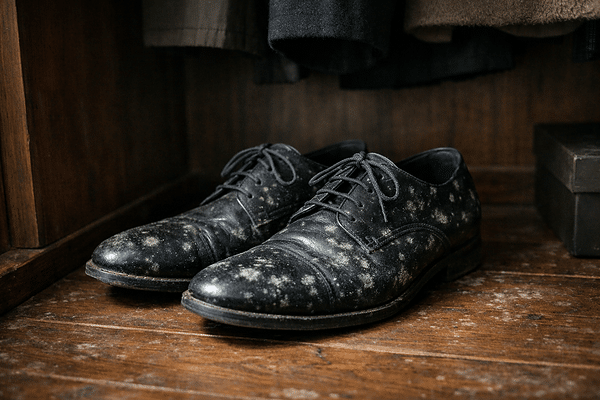
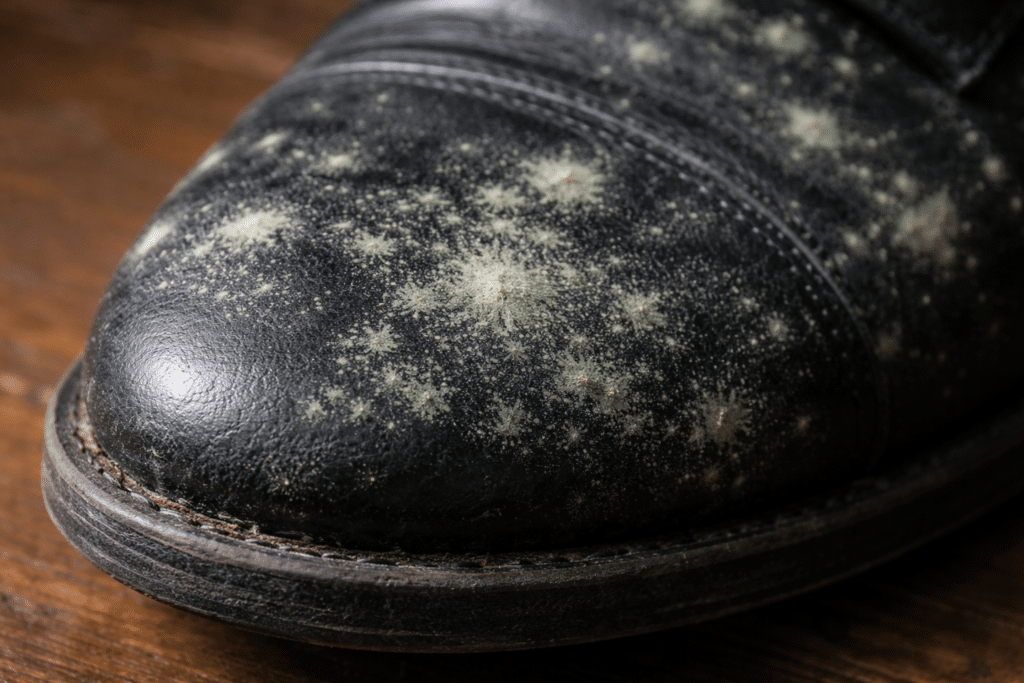
You pull a pair of leather shoes out of the wardrobe and they are covered in a fine white or greenish fuzz. It is an unpleasant surprise, and most people assume the shoes are somehow at fault.
But the shoes are not the problem. They are just the surface where your home’s moisture issue has become visible.
Having worked across ventilation and moisture control in NZ homes for over a decade, I have seen mouldy shoes, bags, belts, and jackets more times than I can count.
It is one of the most reliable indicators that indoor humidity is too high, and it almost always points back to the same underlying causes, poor airflow, cold surfaces, and too much moisture in the air with nowhere to go.
Quick Summary
- Mould grows on leather because leather is an organic material that absorbs moisture from humid air
- The wardrobe is usually the problem, not the shoes, because wardrobes against exterior walls trap moisture in a still, cold pocket
- Indoor humidity above 60% creates conditions where mould can establish on leather, fabric, and other organic surfaces
- Shoes stored on the wardrobe floor are most at risk because cold air sinks and humidity concentrates at the lowest point
- Cleaning mould off leather is straightforward, but it will return if the wardrobe conditions do not change
- Improving airflow through the wardrobe and reducing indoor humidity are the most effective long-term fixes
- Mouldy shoes are a warning sign that other belongings and surfaces in the room may also be at risk
Why Leather Is So Vulnerable
Leather is a natural, organic material. It is porous, which means it absorbs moisture from the surrounding air readily, and that absorbed moisture creates an ideal environment for mould spores to germinate and grow. Unlike plastic or metal, leather provides both the moisture and the organic surface that mould needs to establish.
Mould on leather typically appears as a fine white, grey, or green-white powdery coating. In the early stages it sits on the surface and can be wiped off.
If left for weeks or months, it can penetrate into the grain of the leather and cause permanent discolouration or staining that no amount of cleaning will fully remove.
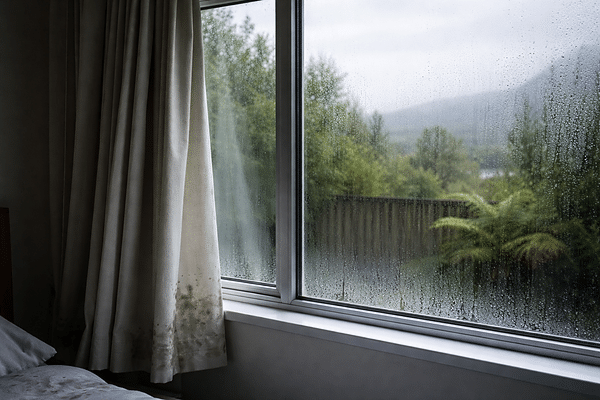
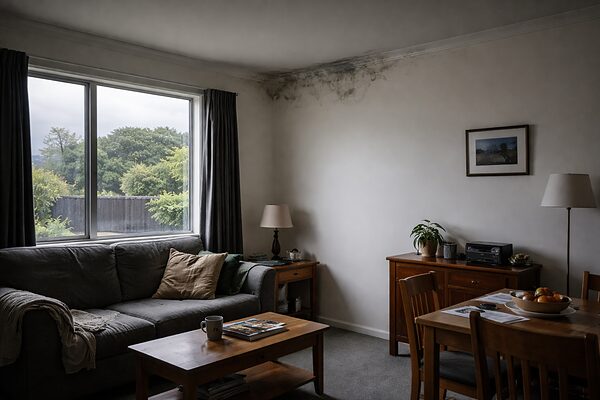
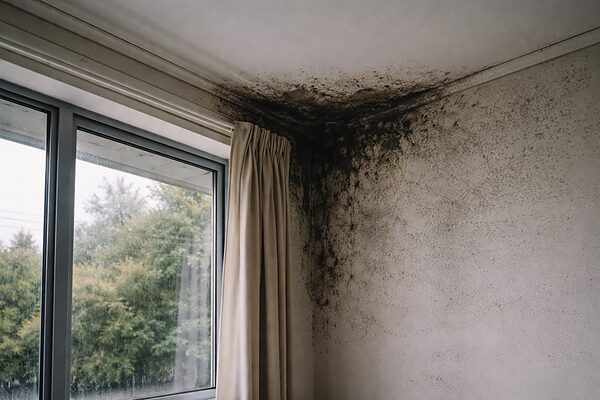
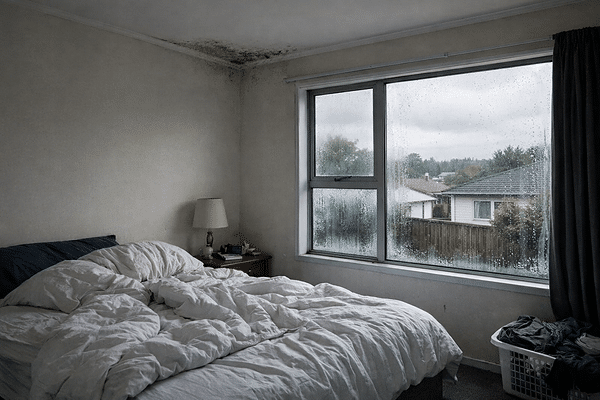
The same humid conditions that cause mould on leather shoes also drive condensation on windows and walls throughout the home. Mouldy shoes are often just the most personal and noticeable sign of a broader indoor moisture issue.
The Wardrobe Problem
In almost every case I see, the mould on leather shoes is connected to where and how they are stored. Wardrobes are the most common culprit, and the reasons are consistent.
Wardrobes Against Exterior Walls
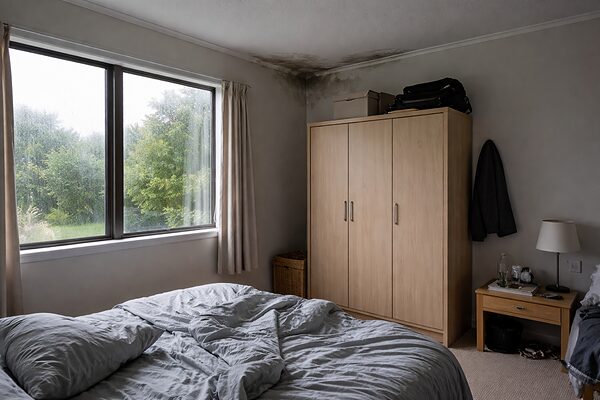
A wardrobe pushed flat against an exterior wall blocks warm air from reaching the wall surface. The space between the wardrobe back and the wall becomes a cold, still pocket where humidity concentrates and condensation can form.
That cold, damp environment extends into the wardrobe itself, and the shoes sitting on the floor of the wardrobe are right in the worst spot.
This is the same mechanism that causes mould behind bedroom furniture, and it is one of the most common moisture patterns I see in NZ homes during winter.
Pulling the wardrobe even 50mm away from the wall allows air to circulate behind it and significantly reduces the damp zone inside.
Closed Doors and Still Air
Wardrobe doors that stay closed create an enclosed space with no air movement. Humidity from the room enters the wardrobe but has no way to dissipate.
Over time, the air inside the wardrobe becomes more humid than the room itself, and that trapped moisture settles on whatever is inside, especially on organic materials like leather, suede, canvas, and natural fabric.
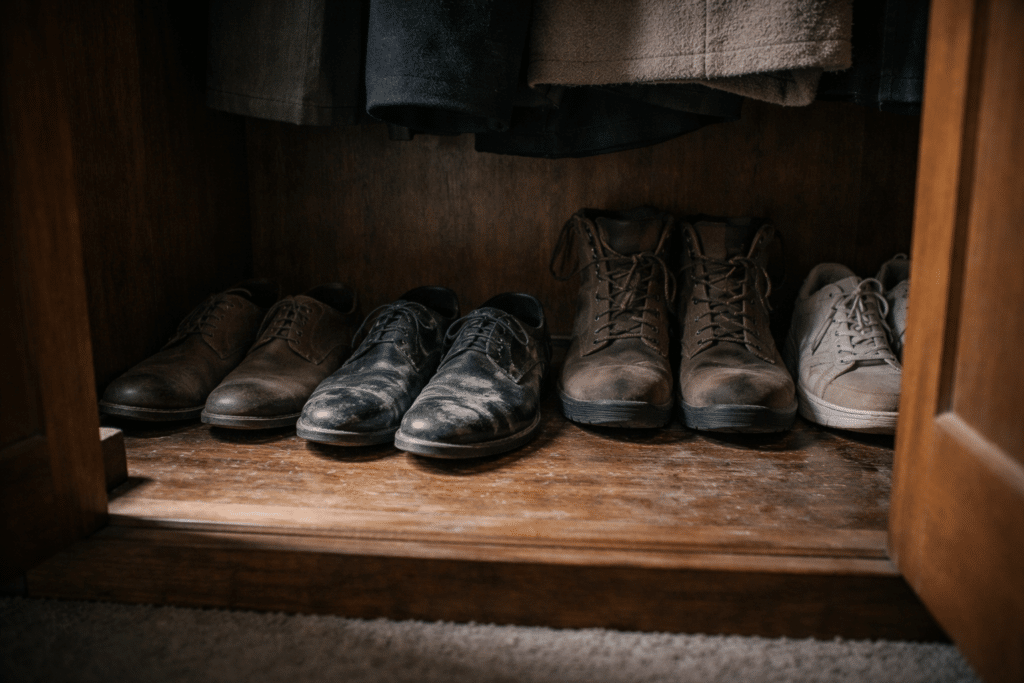
Shoes stored on the wardrobe floor are at the greatest risk because cold air sinks. The floor of the wardrobe is the coldest, most still part of the space, and it is where humidity concentrates most.
Bedrooms With High Overnight Humidity
Bedrooms are where leather shoes most commonly develop mould, and it is no coincidence. Bedroom humidity builds up overnight as occupants breathe moisture into a closed room for eight hours.
That elevated humidity saturates the air in the bedroom, including the air inside the wardrobe, and the shoes absorb moisture from that environment night after night through winter.
How to Clean Mould Off Leather Shoes
If the mould is caught early, cleaning is straightforward and the shoes can usually be saved without lasting damage.
- Take the shoes outside before cleaning to avoid spreading spores indoors
- Brush off loose mould with a soft, dry brush or cloth
- Wipe the surface with a cloth dampened in a solution of equal parts water and white vinegar
- Allow the shoes to dry completely in a well-ventilated area, ideally outdoors in indirect sunlight
- Once dry, apply a quality leather conditioner to restore moisture balance in the leather and help protect the surface
For suede or nubuck, use a suede brush rather than a damp cloth, as moisture can stain these materials. If the mould has been present for a long time and has penetrated into the leather grain, professional leather cleaning may be needed.
| Leather Type | Cleaning Method | Key Caution |
|---|---|---|
| Smooth leather (dress shoes, boots) | Vinegar solution wipe, dry, condition | Do not saturate, dry thoroughly |
| Suede or nubuck | Dry brush only, no liquid | Moisture can permanently stain |
| Patent leather | Damp cloth wipe, dry immediately | Avoid vinegar, can dull the finish |
| Leather bags and belts | Same as smooth leather | Check lining for hidden mould |
How to Stop It from Coming Back
Cleaning the mould is only worthwhile if you also change the conditions that caused it. The same principles that prevent mould from returning on walls and ceilings apply to leather goods stored in wardrobes.
Improve Wardrobe Airflow
Pull the wardrobe at least 50mm away from the exterior wall. Leave wardrobe doors slightly ajar when practical, especially overnight and when the bedroom is unoccupied. If the wardrobe has solid doors with no ventilation, consider leaving them open more often or adding small ventilation grilles to the doors or back panel.
Store Shoes Off the Floor
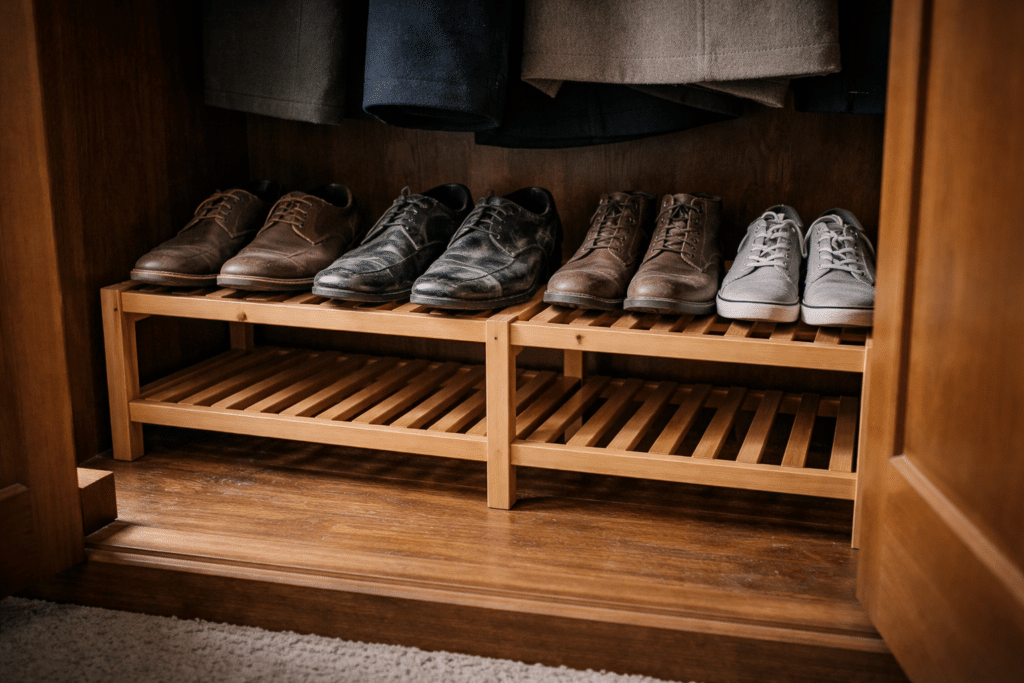
Raising shoes off the wardrobe floor on a slatted rack or shelf improves air circulation around them and moves them away from the coldest, most humid part of the space. Even a simple shoe rack that lifts them 50 to 100mm off the base makes a noticeable difference.
Reduce Bedroom Humidity
The moisture in the wardrobe comes from the bedroom air, so reducing bedroom humidity is the most effective long-term fix. Leaving the bedroom door slightly ajar overnight, using a whole-house ventilation system that keeps air moving through every room, and keeping the room at a steady temperature all help bring humidity down to levels where mould cannot establish on stored items.
Use Moisture Absorbers as a Supplement
Small moisture-absorbing sachets or containers placed in the wardrobe can help manage localised humidity.
Silica gel packets, calcium chloride absorbers, and even small mesh bags of cedar chips can reduce moisture in the enclosed wardrobe space.
These are supplements, not solutions, and they work best alongside proper airflow and reduced room humidity.
Frequently Asked Questions
Can mouldy leather shoes be saved?
If caught early, yes. Surface mould wipes off and the leather can be conditioned back to good condition. If the mould has penetrated into the grain and caused permanent staining or a persistent smell, the damage may be beyond what cleaning can fix.
Why do only some shoes in the wardrobe get mouldy?
Leather and other natural materials absorb moisture more readily than synthetic materials. Shoes made from synthetic fabrics or rubber are less prone to mould because they do not provide the organic surface mould needs to grow on. Position in the wardrobe also matters, with shoes on the floor and at the back being most at risk.
Will a dehumidifier in the bedroom prevent shoe mould?
A dehumidifier can reduce bedroom humidity, which helps. But if the wardrobe doors are closed and the wardrobe is pushed against a cold exterior wall, the enclosed environment inside the wardrobe may still be humid enough for mould to develop. Airflow through the wardrobe itself matters just as much as room humidity.
Is shoe mould a sign of a bigger moisture problem?
Almost always, yes. Mould on leather goods means indoor humidity is consistently high enough for mould to grow on organic surfaces. That same humidity is likely causing condensation on windows, dampness on walls, and potentially mould in other areas of the home that may not be as visible.