Moisture by Region Across New Zealand
Not every part of New Zealand deals with moisture in the same way. A home in Westport faces a completely different humidity profile to a home in Central Otago, and the condensation challenges that come with each are shaped heavily by the local climate.
Where you live determines how much ambient moisture your home is working against before you even add in showers, cooking, and breathing.
Having worked across ventilation and building performance in NZ homes for over a decade, I have seen how dramatically regional conditions affect what happens inside the house.
Knowing your region’s moisture profile helps you make better decisions about ventilation, heating, and the level of indoor humidity you need to manage.
Quick Summary
- New Zealand’s regional climates vary widely, from high-rainfall coastal areas to dry inland basins, and each creates different indoor moisture challenges
- Coastal and western regions tend to have higher ambient humidity, which means homes start at a higher baseline before indoor moisture is added
- Inland and eastern regions have lower ambient humidity but colder winters, which creates bigger temperature gaps that trigger condensation
- The South Island’s colder winters produce more severe condensation even in drier areas because surface temperatures drop further
- Auckland’s mild, humid climate makes ventilation the priority, while southern regions need a stronger focus on heating and insulation
- Every region benefits from the same three fundamentals: ventilation, consistent heating, and reducing indoor moisture at the source
- The relative importance of each approach shifts depending on whether your region’s challenge is humidity, cold, or both
This table gives a broad summary of how regional factors combine to affect condensation risk in homes.
| Region | Ambient Humidity | Winter Cold | Main Condensation Driver |
|---|---|---|---|
| Auckland, Northland | High | Mild | Persistent humidity, poor ventilation |
| Waikato, Bay of Plenty | Moderate to high | Moderate | Humidity plus cold mornings |
| Wellington, Lower North Island | High | Cool | Damp air, heat loss from wind |
| West Coast | Very high | Mild to cool | Extreme ambient humidity |
| Canterbury, Eastern South Island | Low to moderate | Cold | Very cold surfaces despite drier air |
| Otago, Southland | Moderate | Very cold | Extreme temperature gap, cold surfaces |
Basically, these Islands all have moisture and condensation issues.
New Zealand’s condensation patterns are strongly influenced by regional climate differences, particularly rainfall, humidity, and temperature. According to the National Institute of Water and Atmospheric Research (NIWA), coastal and northern regions such as Auckland and Northland experience higher ambient humidity year-round, meaning homes already start with moisture-heavy air before everyday activities like cooking and showering add more.
In contrast, inland and southern regions like Canterbury and Central Otago are much drier but experience colder winters, creating larger temperature differences between indoor air and cold surfaces—one of the main triggers of condensation.
You can explore these regional climate patterns further through NIWA’s overview here: https://niwa.co.nz/climate/nz-climate
How Regional Climate Affects Indoor Moisture
Indoor moisture is a combination of moisture from outside and moisture produced inside the home. In regions with high ambient humidity, outdoor air already carries a lot of moisture, so even well-ventilated homes start with a higher baseline humidity.
In drier regions, outdoor air helps dilute indoor moisture when you ventilate, but colder temperatures mean indoor surfaces drop to condensation-triggering levels more easily.
The interaction between outdoor humidity and indoor temperature is what determines how much condensation forms in NZ homes across different parts of the country.
A warm, humid region and a cold, dry region can both produce significant condensation, but through different mechanisms and needing slightly different approaches to manage.
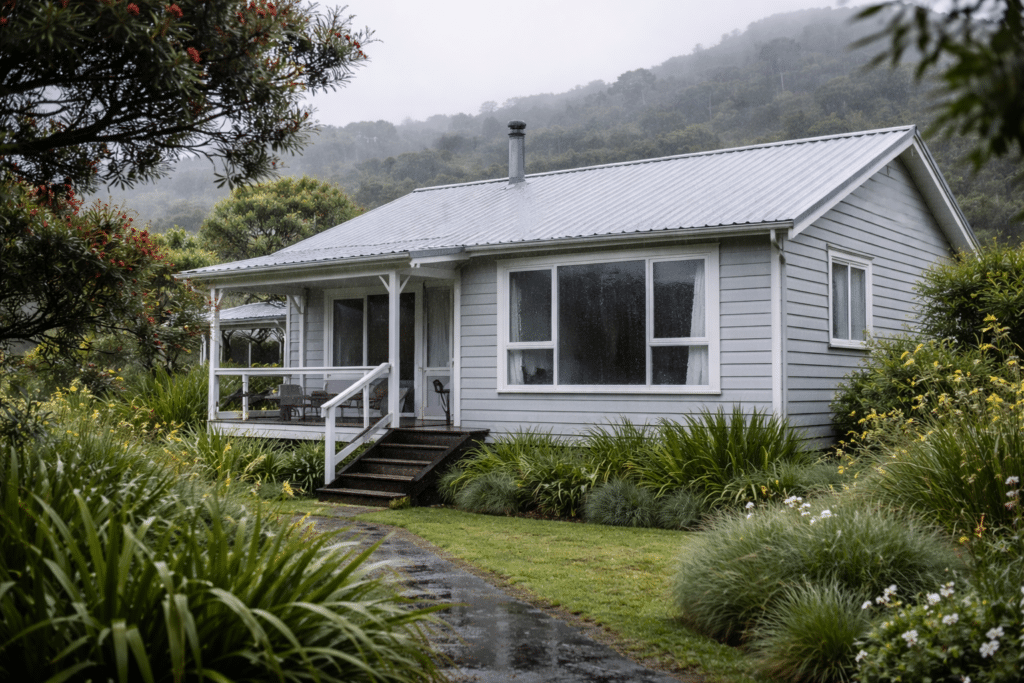
Region-by-Region Overview
This is a practical summary based on what I see across different parts of the country. Every home is different, but regional patterns are remarkably consistent.
Auckland and Northland
These regions have mild winters but year-round relatively high humidity. Temperatures rarely drop low enough to cause extreme condensation on well-insulated surfaces, but the persistent ambient humidity means indoor moisture levels climb quickly if ventilation is inadequate.
Homes in Auckland tend to have more issues with general dampness and mould than with heavy window condensation, because the air stays warm enough that moisture distributes across surfaces rather than concentrating on glass.
The priority in these regions is airflow. Getting air moving through the home consistently is the most effective way to keep humidity from building, and a whole-house ventilation system works particularly well because the outdoor air, while humid, is usually warm enough to be useful year-round.
Waikato and Bay of Plenty
The Waikato gets cold, foggy mornings through winter, and the humidity from the surrounding farmland and waterways means the air carries plenty of moisture. Bay of Plenty is slightly warmer and drier, but still humid enough that homes without ventilation develop condensation readily. Both regions see a noticeable jump in condensation through winter as overnight temperatures drop and homes seal up.
Wellington and the Lower North Island
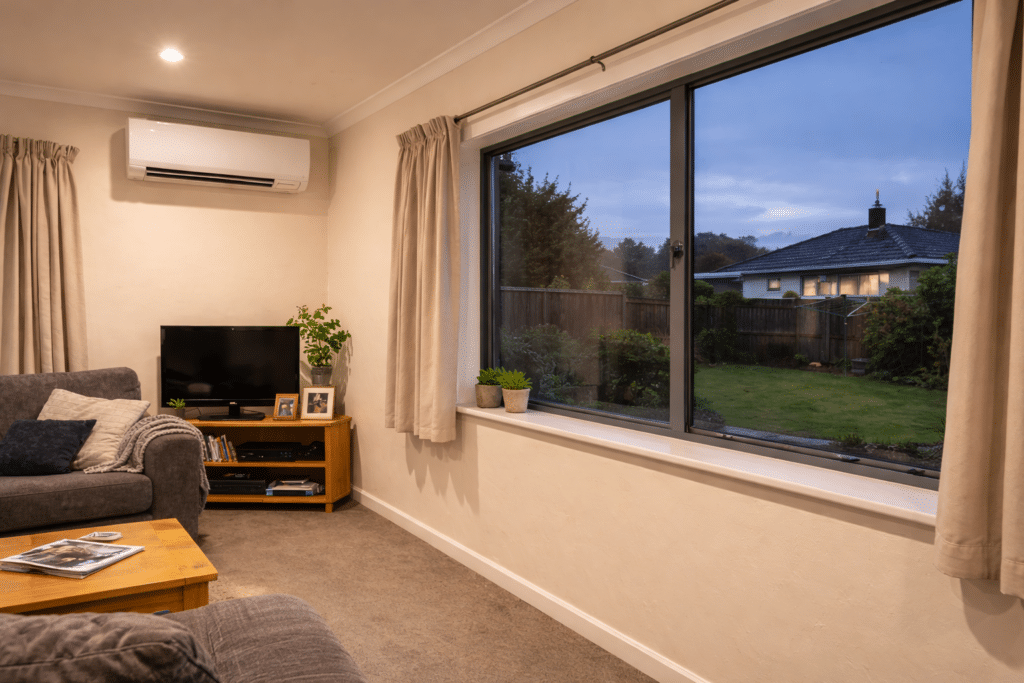
Wellington is windy, which actually helps with ventilation in some homes because the air movement naturally creates pressure differences that move air through the building.
But Wellington is also cool and damp, with frequent rain and high humidity, especially through the cooler months. Homes in exposed locations can lose heat quickly through draughts, which keeps surfaces cold and makes condensation more likely on single-glazed windows and aluminium frames.
The Wairarapa and Manawatu are colder inland, with sharper frosts and less wind. These areas see heavier morning condensation and benefit strongly from consistent overnight heating.
West Coast, South Island
The West Coast is the wettest region in New Zealand, with annual rainfall exceeding 5,000mm in some areas.
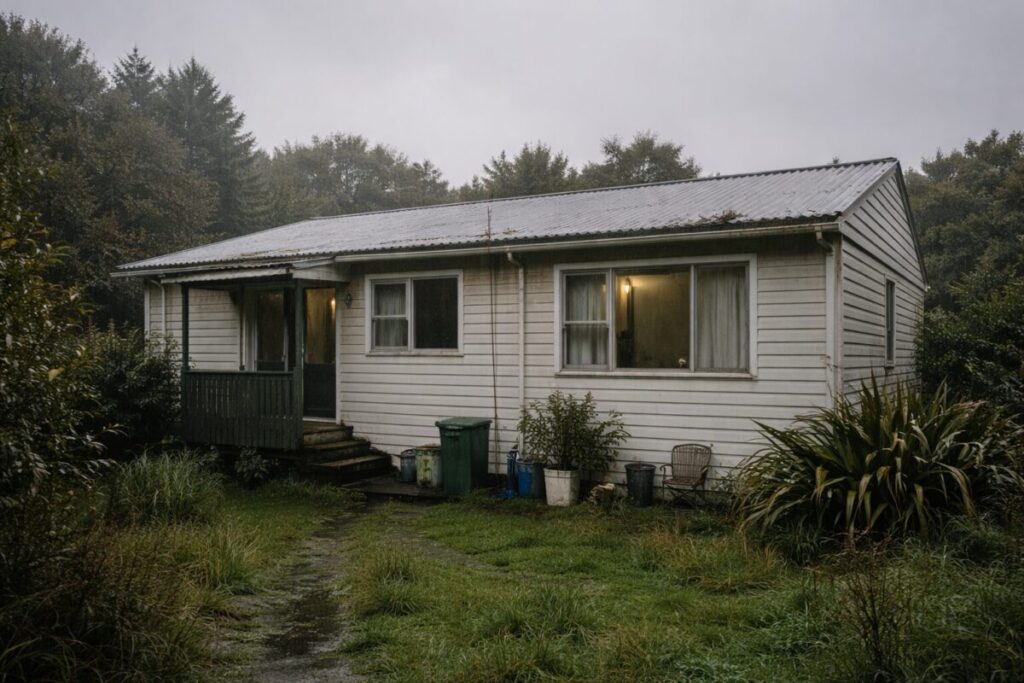
The combination of high rainfall, high humidity, mild but damp temperatures, and older housing stock makes this one of the most challenging regions for indoor moisture.
Homes on the Coast often need more aggressive ventilation and extraction because the outdoor air is so moisture-laden that passive ventilation alone may not lower indoor humidity enough.
Canterbury and the Eastern South Island
Canterbury is drier than most of New Zealand, with lower rainfall and lower ambient humidity. That sounds like good news for condensation, and in some ways it is, because the drier outdoor air is very effective at diluting indoor moisture when you ventilate.
The challenge in Canterbury is cold. Winter temperatures in Christchurch and the plains regularly drop below freezing overnight, and that sharp cold means window and wall surfaces get very cold very quickly.
The result is that Canterbury homes can see intense morning condensation even when humidity is moderate, simply because the surfaces are so cold that the dew point is reached at lower moisture levels. Consistent heating overnight is critical in this region to keep surfaces above the condensation threshold.
Otago and Southland
These are the coldest regions in New Zealand, with winter nights that regularly reach well below zero inland. Central Otago in particular has very cold, dry winters, but homes still get heavy condensation because the temperature gap between heated indoor air and frozen window surfaces is enormous. Even a room at a modest 16 degrees will produce condensation when the outside of the glass is at minus five.
Southland adds higher rainfall and wind to the cold, making it a region where both humidity and temperature work against the home through winter.
Older homes in these areas with single glazing and no wall insulation face some of the most severe condensation conditions in the country.
What This Means Practically
The fundamentals of managing condensation are the same everywhere in New Zealand: improve ventilation, heat consistently, and reduce indoor moisture sources. But the emphasis shifts depending on where you are.
In humid northern and coastal regions, ventilation is the most important lever because you need to actively move moist air out and keep it from building up indoors. In colder southern and inland regions, consistent heating becomes equally important because the temperature gap that triggers condensation is more severe, and keeping surfaces warm enough to stay above the dew point is essential.
Every region benefits from reducing moisture at the source, using extraction fans in bathrooms and kitchens, drying clothes outside, and managing daily habits that add humidity to the home. These changes are effective regardless of climate and form the foundation that ventilation and heating build on.
Frequently Asked Questions
Does living near the coast make condensation worse?
Coastal areas tend to have higher ambient humidity, so the air entering your home already carries more moisture. That raises indoor humidity and increases the likelihood of condensation, especially in homes with limited ventilation. The effect is strongest in regions with high rainfall and mild temperatures.
Why do dry regions still get condensation?
Because condensation depends on the temperature gap between indoor air and cold surfaces, not just humidity alone. In a very cold region, window glass can drop to temperatures where even moderate indoor humidity triggers condensation. The drier outdoor air helps when you ventilate, but the cold surfaces are what drive the problem.
Is condensation worse in the North Island or South Island?
Both islands have regions with significant condensation, but the causes differ. The North Island tends toward humidity-driven condensation, while the South Island tends toward cold-driven condensation. The South Island generally sees more severe morning condensation because winter temperatures drop lower and surfaces get colder.
Should I choose a different ventilation approach based on my region?
The same ventilation principles apply everywhere, but the balance shifts. In humid regions, maximising air exchange is the priority. In cold regions, maintaining warmth while still moving air is more important, and systems that temper incoming air can be more effective than simply pushing cold outside air through the home.