Damp Smells in New Zealand Homes
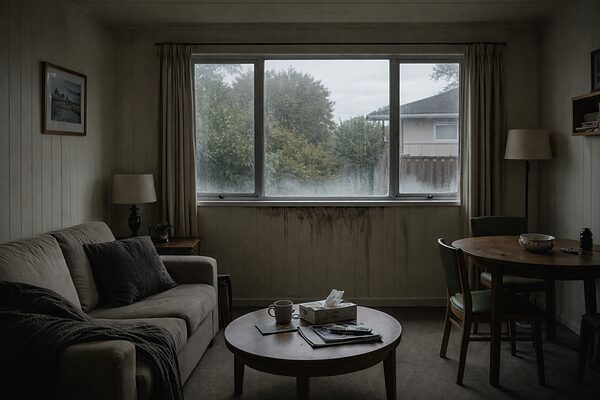
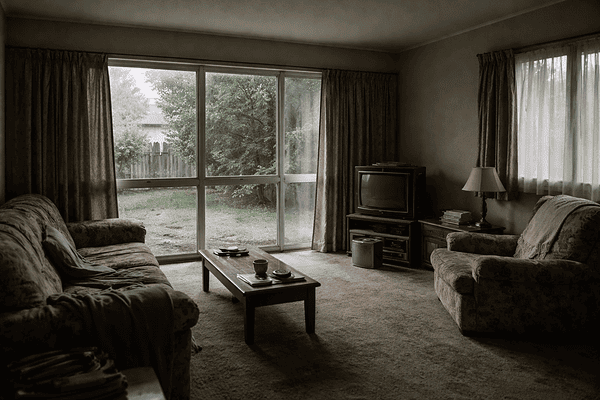
You know the smell the moment you walk in. That heavy, stale, musty air that hits you in the hallway and seems to cling to everything in the house.
It is one of the most common complaints I hear from homeowners during winter, and it tells me a lot about moisture and airflow before I even start looking at the building. It’s also how it ‘feels’ which is quite interesting.
It means humidity is high, air is stagnant, and moisture has been sitting in materials long enough to produce the organic compounds that create the odour. The good news is that it is fixable, and most of the time, the fix is straightforward.
Quick Summary
- The damp smell in NZ homes comes from moisture sitting in carpets, fabrics, and building materials long enough for organic compounds to develop
- Musty odours are a sign of high indoor humidity and poor airflow, not just poor housekeeping
- Bedrooms and closed-up rooms tend to develop the smell first because moisture builds overnight with no ventilation
- Air fresheners and scented products mask the smell temporarily but do nothing about the moisture causing it
Fixes
- The most effective fix is improving ventilation so that moist stale air is replaced with drier fresh air, either manual or mechanical ventilation
- Consistent heating helps because warmer air holds more moisture, and warmer surfaces attract less condensation
- Removing the smell permanently requires addressing the moisture source, not just treating the symptom
What Causes the Damp Smell
The musty smell people associate with damp homes is not actually the smell of water. It is the smell of organic compounds produced by mould, mildew, and microbial activity in materials that have been damp for an extended period.
Carpets, curtains, soft furnishings, and timber can all absorb moisture from humid air, and when that moisture sits for days or weeks, the biological processes that produce the odour get underway.
I’ve noticed houses that have been closed for weeks or months often have this damp issue, especially.
In most NZ homes, the underlying driver is condensation from high indoor humidity.
Then the temperature differential of windows and walls traps some moisture.
Moisture from breathing, cooking, showering, and drying clothes accumulates in the air, settles on cold surfaces and into soft materials, and creates the damp conditions the smell needs.
The smell is strongest in rooms that are sealed up, poorly heated, and where air sits still for long periods.
Where the Smell Hides
One of the frustrating things about the damp smell is that you can often smell it without being able to pinpoint exactly where it is coming from.
That is because the odour does not come from one spot. It comes from moisture embedded in materials throughout the room.
The most common locations where the smell embeds:
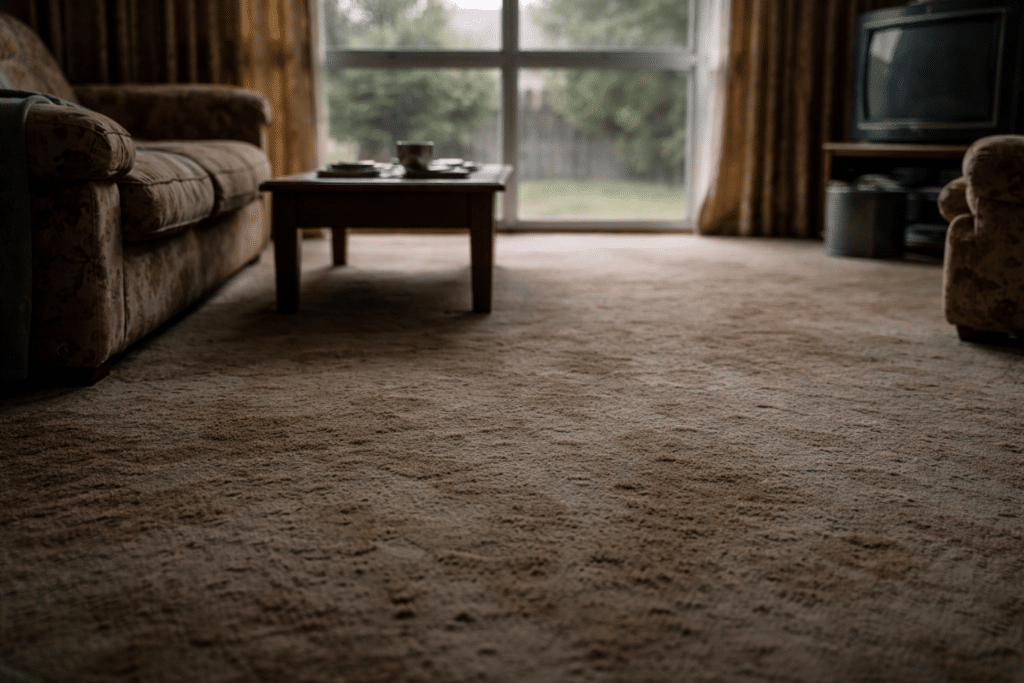
- Carpet and underlay, especially in rooms with poor airflow or on concrete slab floors
- Heavy curtains and drapes that sit against condensation-prone windows
- Mattresses and bedding in rooms where overnight condensation builds up from breathing
- Wardrobes pushed against exterior walls, trapping moisture between the furniture and the cold wall surface
- Soft furnishings like couches and armchairs that absorb humidity from the air over time
In many homes I visit, the smell is strongest in bedrooms and hallways because those spaces tend to have the least airflow and the most sustained humidity through winter.
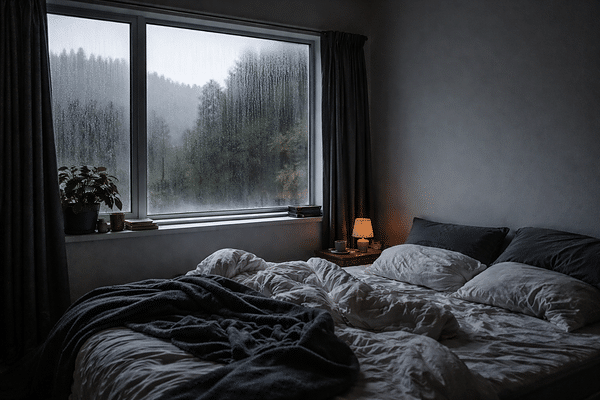
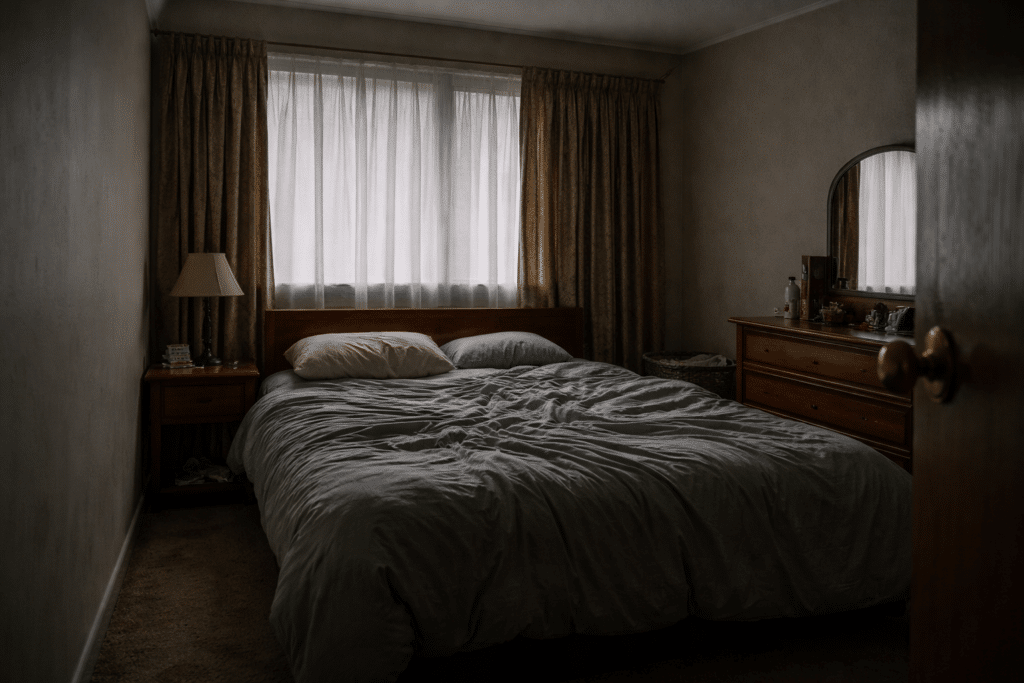
Musty bedroom smells are particularly common because the door stays closed all night while occupants breathe moisture into a sealed room for eight hours straight.
Why Masking the Smell Does Not Work
The instinct is to reach for air fresheners, scented candles, or odour-absorbing products. These can make the room smell better temporarily, but they do not change the conditions producing the odour.
The moisture is still there, the materials are still damp, and the biological processes creating the smell are still active underneath the masking scent.
I have walked into homes where multiple air fresheners were running and the underlying musty smell was still clearly present beneath the artificial fragrance. The visible problem is covered, but nothing underneath has changed.
How to Actually Get Rid of It
Getting rid of the damp smell permanently requires two things: removing the moisture that is already embedded in materials, and changing the conditions so it does not build up again. Both steps matter because doing one without the other only gives you a temporary result.
Get Air Moving Through the Home
This is the most effective single change. A whole-house ventilation system continuously exchanges stale, humid indoor air for drier filtered air from outside.
That steady air exchange lowers humidity, helps materials dry out, and over time removes the conditions that produce the musty smell. It works in every room, including closed bedrooms overnight, which is where the smell is often worst.
Even without a mechanical system, opening windows for 15 to 20 minutes each morning creates a burst of fresh air that flushes out overnight humidity.
Keeping internal doors slightly ajar allows air to circulate between rooms rather than stagnating in sealed spaces.
Heat Consistently
Warmer air can hold more moisture without condensing on surfaces, and warmer surfaces are less likely to attract the dampness that feeds the smell.
A heat pump running at a steady 18 degrees through the evening and overnight does more for the damp smell than heating hard for an hour and switching off.
Consistent warmth keeps materials drier and reduces the conditions that allow musty odours to develop.
Reduce Moisture at the Source
Every litre of moisture you prevent from entering the air is a litre that will not end up in your carpet or curtains. Using extraction fans when cooking and showering, drying clothes outside, keeping bathroom doors closed after showers, and avoiding unflued gas heaters all reduce the total moisture load inside the home.
Dry Out What Is Already Damp
If the smell has been building for months, the materials in the room have absorbed a significant amount of moisture.
Airing out the home and reducing humidity will help them dry over time, but it can take weeks for deeply embedded moisture to release, especially from thick carpet, underlay, and heavy curtains.
On dry, sunny days, open the house up fully and let sunlight and airflow do the work. Wash curtains and bedding, pull furniture away from walls, and consider steam cleaning carpets once conditions have dried out enough that the carpet will not just absorb more moisture immediately after cleaning.
Room-by-Room Approach
Different rooms tend to develop the smell for different reasons, and the fix is slightly different in each case.
| Room | Why It Smells | Priority Fix |
|---|---|---|
| Bedrooms | Overnight breathing adds moisture in a sealed room | Leave door ajar, improve ventilation |
| Hallways | Receive migrating moisture from bathrooms and kitchens | Keep bathroom doors closed after showers |
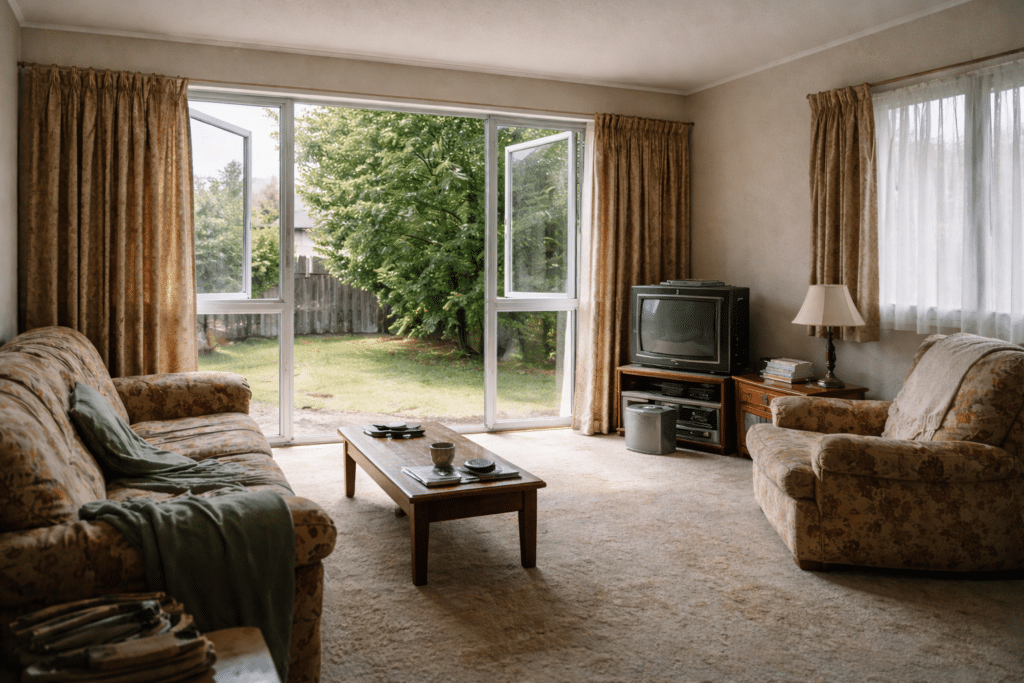
| Living rooms | Closed up in winter, carpet absorbs humidity | Heat consistently, air out daily |
| Wardrobes | Pushed against cold walls, trapping moisture behind | Pull 50mm from wall, leave doors open when practical |
| Bathrooms | Steam from showers not extracted properly | Run fan 15 minutes after every shower |
How Long Does It Take to Clear?
This depends on how long the moisture has been building and how deeply it has embedded into materials. In homes where the smell is mild, you can notice a difference within a few days of improving airflow.
In homes where the smell has been present for months, it can take several weeks of consistent effort before the odour fully clears.
The key word is consistent. Opening a window once will not undo months of accumulated moisture. It takes daily ventilation, steady heating, and ongoing source control to shift the dampness balance in the home enough for the smell to clear permanently.
Frequently Asked Questions
Will a dehumidifier get rid of the damp smell?
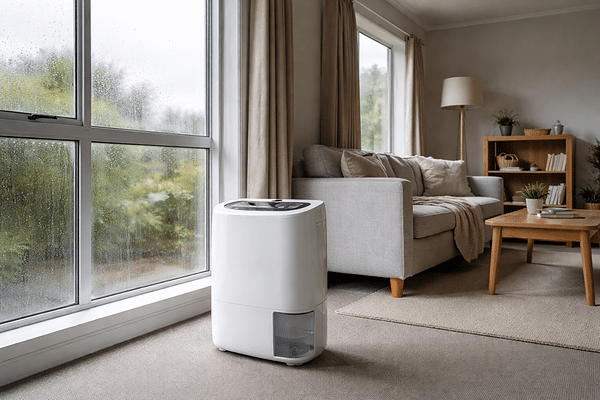
A dehumidifier can help by pulling moisture from the air, which reduces humidity and helps materials dry out. It works best in the room where it is running, and it is most effective as a supplement to proper ventilation rather than a replacement for it.
Is the damp smell coming from the carpet?
Often, yes. Carpet and underlay absorb moisture from humid air and hold it for extended periods, especially on concrete slab floors or in rooms with poor airflow. Airing the room and reducing humidity helps the carpet dry out, and professional cleaning can help once conditions have improved.
Why does the smell come back every winter?
Winter brings colder temperatures, sealed-up homes, and higher indoor moisture production. If the home does not have adequate ventilation and consistent heating, humidity builds, materials get damp, and the smell returns. Addressing the underlying moisture management before winter starts is the most effective way to prevent the cycle repeating.
Can baking soda or vinegar remove the smell?
Both can help absorb or neutralise odours on specific surfaces, and sprinkling baking soda on carpet before vacuuming can reduce the smell temporarily. Neither addresses the moisture causing the odour, so the smell will return unless humidity and airflow conditions in the home improve.