Why Condensation Is Worse in Winter
Every year, around the end of March to May, my phone starts ringing more often. As a home energy auditor, it’s an area that affects a majority of houses in New Zealand.
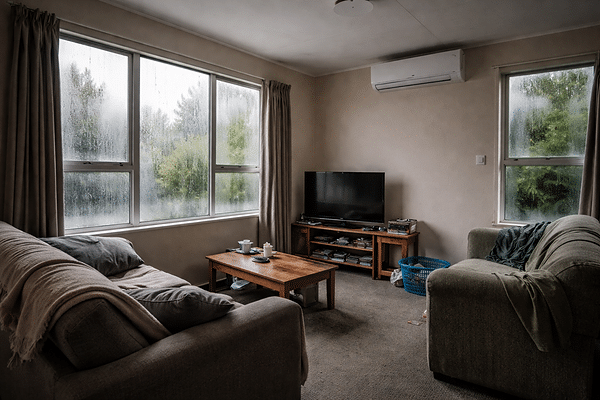
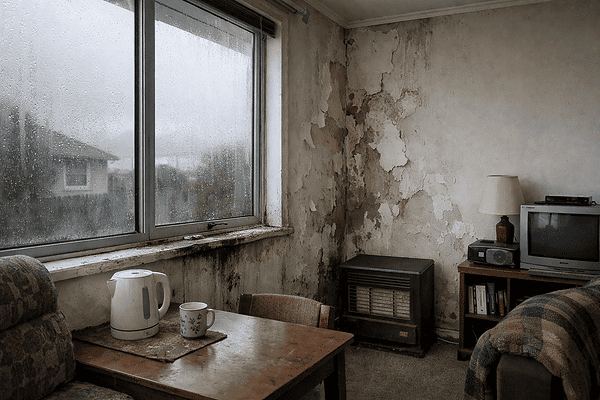
Windows streaming with water in the morning, walls feeling damp to the touch, mould creeping into corners that were clear all summer (worst-case scenario). It is the same pattern in homes right across New Zealand, and it is not a coincidence.
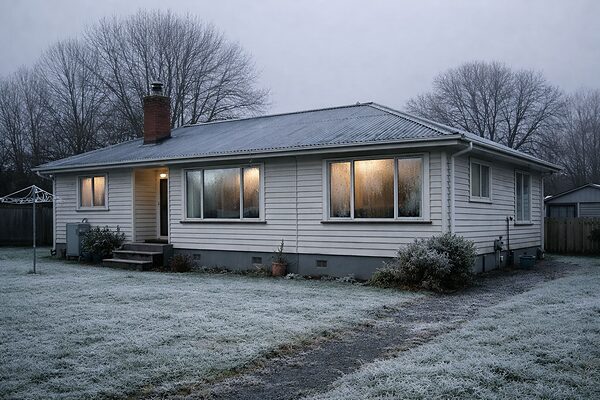
Winter creates the perfect conditions for condensation, and most NZ homes are not set up to handle it.
Condensation is already the most common moisture problem in New Zealand homes, but in winter it can shift from a minor annoyance to real, lasting damage if it is not addressed. Understanding why it gets worse in the colder months is the first step toward actually fixing it.
The flow-on effects for me include asthma, pollen, and hay fever.
Quick Summary
- Winter condensation happens because the temperature gap between indoor air and cold surfaces widens dramatically
- Closing up the house in winter traps moisture that would normally escape through open windows and doors
- A typical family can produce 10 to 15 litres of moisture inside the home on a winter day
- Indoor moisture sources like cooking, showering, and drying clothes indoors all increase during winter
- Unflued gas heaters add significant moisture to the air as a byproduct of combustion
- Windows, exterior wall corners, and bathroom ceilings are the first surfaces to show condensation
- Consistent ventilation, steady heating, and reducing moisture at the source are the most effective steps
The Basic Science Behind Winter Condensation
Condensation happens when warm, moist air touches a surface that is cold enough to cause the air to drop below its dew point. The moisture in the air turns to liquid water on that surface, and you get the streaming windows and damp walls that so many New Zealanders know all too well.
In summer, the temperature difference between indoor air and your window glass is relatively small, so condensation rarely forms. But in winter, that gap widens dramatically.
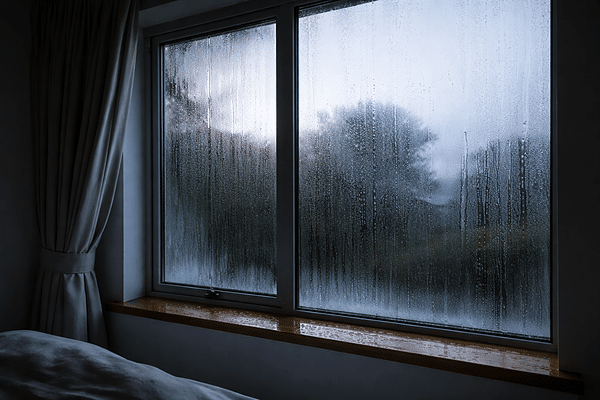
Your window glass might sit at 5 or 6 degrees on a cold night while the air inside is at 15 or 16 degrees, and that difference is more than enough for moisture to condense on the glass, the frames, and any other cold surface.
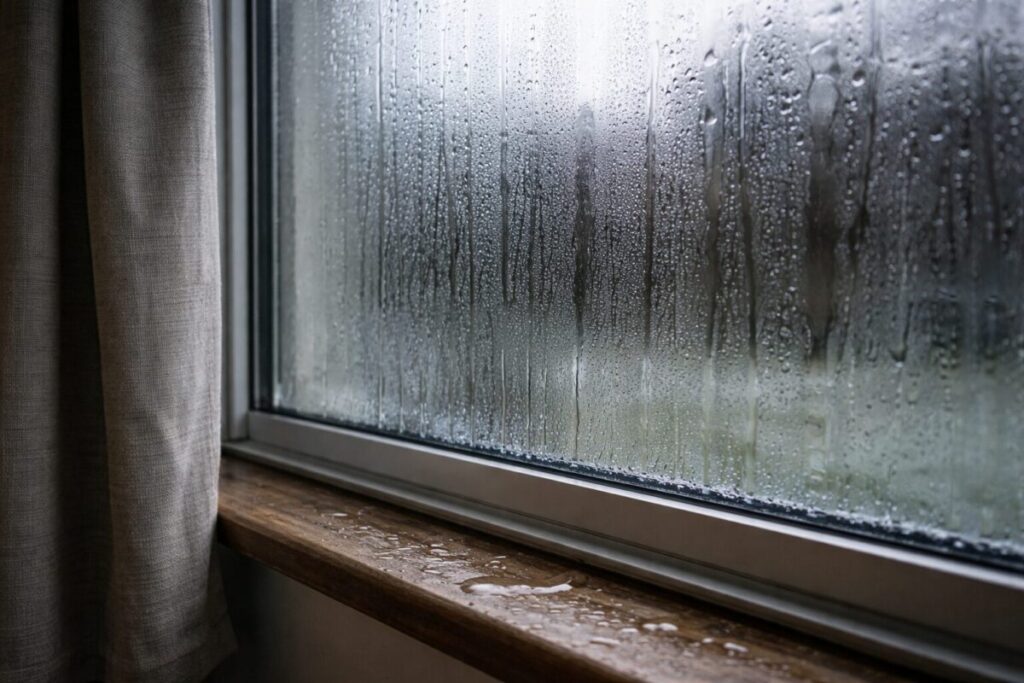
The colder the surface, the less moisture the air needs to carry before condensation starts forming. That is why even a moderately humid room can produce heavy condensation in winter, when the same room might be completely dry in summer.
Why NZ Homes Get Hit So Hard in Winter
It is not just the cold that makes winter condensation so bad in New Zealand. Several factors stack up during the colder months, and the combination pushes most homes past the tipping point.
We Close Everything Up
The single biggest change in winter is that we stop opening windows and doors. In summer, homes get natural ventilation just from daily living, doors propped open, windows cracked for a breeze, air flowing through without anyone thinking about it. In winter, everything shuts tight, and the moisture has nowhere to go.
I’ve come across those that open windows regularly, but is only a small minority. Especially, the further South you go.
That trapped air gets more humid by the hour as every shower, every meal on the stovetop, every load of washing on an indoor rack, and every breath adds moisture to the air that is already sitting still.
Without any way to escape, humidity climbs until the air can hold no more and begins dumping moisture onto the coldest surfaces.
Indoor Moisture Production Goes Up
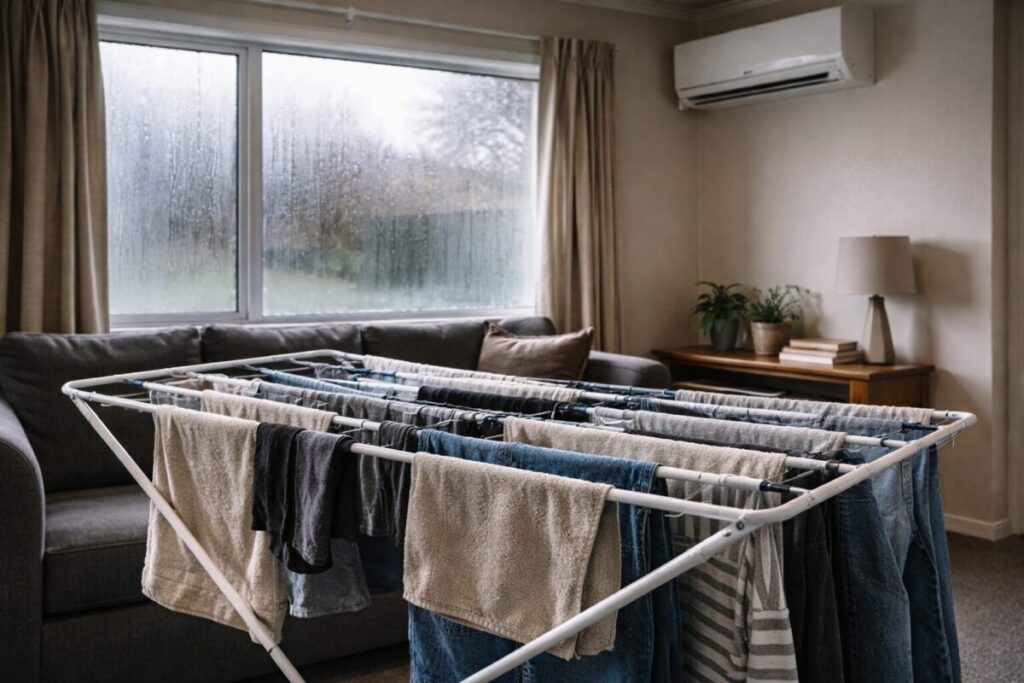
Winter is when we produce the most moisture inside the home and do the least to get rid of it. Showers run hotter and longer, cooking involves more steam, and drying clothes outside becomes impractical for weeks at a time.
The moisture from bathrooms and cooking alone can add several litres per day, and indoor clothes drying pushes the numbers even higher.
| Winter Moisture Source | Approximate Daily Output |
|---|---|
| Longer, hotter showers | 1.5 to 2 litres per person |
| Cooking with gas, no lids | Up to 3 litres |
| Drying one load of washing indoors | Up to 5 litres |
| Breathing (family of four, overnight) | 1 to 1.5 litres |
| Unflued gas heater running 3 hours | Up to 3 litres |
A typical family can easily produce 10 to 15 litres of moisture inside the home on a winter day, and with the windows shut and no mechanical ventilation (link to what ventilation actually is) running, almost all of it stays in the air until it finds a cold surface to settle on.
You can see how condensation becomes an issue.
Surfaces Get Much Colder
In an average New Zealand home, exterior walls and windows lose heat rapidly once the sun goes down. Many older homes have basic wall insulation, so the interior surface of an exterior wall can be almost as cold as the air outside.
Single-glazed aluminium windows are particularly bad because the metal frame conducts cold straight through, making both the glass and the frame prime targets for condensation. Even homes with some insulation can struggle if heating is inconsistent.
Letting the house get cold overnight and then blasting heat in the morning creates a cycle where surfaces stay cold long enough for moisture to settle.
Heating Choices Can Make Things Worse
Not all heating is equal when it comes to moisture. Unflued gas heaters, still common in many New Zealand homes, produce water vapour as a byproduct of combustion.
For every hour one runs, it can add close to a litre of moisture to the air, which is exactly the opposite of what you need in a closed-up winter home.
Heat pumps warm the air without adding any moisture, which is one of the reasons they suit New Zealand conditions so well. The key with any heating is consistency rather than short bursts, keeping surfaces warm enough that condensation does not get the chance to form.
Where Winter Condensation Shows Up First
Condensation does not appear evenly throughout the house. It targets the coldest surfaces first, which is why certain areas always cop it worse than others.
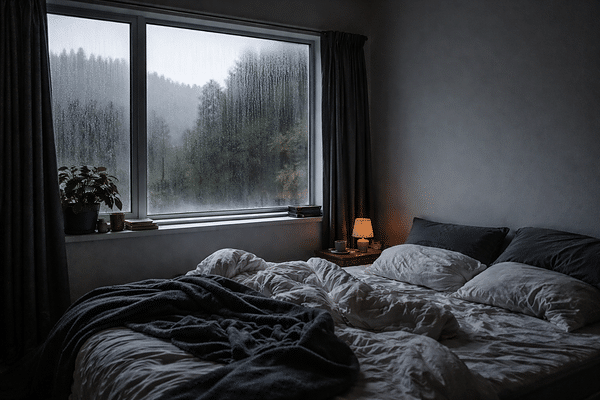
Windows are usually first, especially in bedrooms where the door has been shut all night, and two people have been breathing moisture into the air for eight hours.
I see bedroom condensation in almost every home I visit in winter, and it is usually what finally prompts people to look for a solution – mechanical ventilation is the most common answer to the challenge.
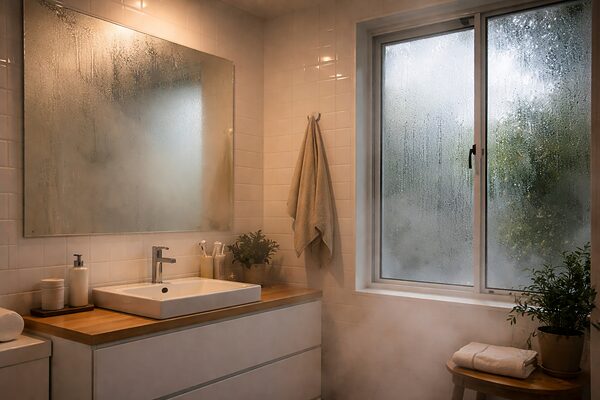
After windows, the next spots are the upper corners of exterior walls, the back of wardrobes built against outside walls, and bathroom ceilings where steam has nowhere to escape. These are the areas where mould tends to establish itself first once moisture has been sitting long enough.
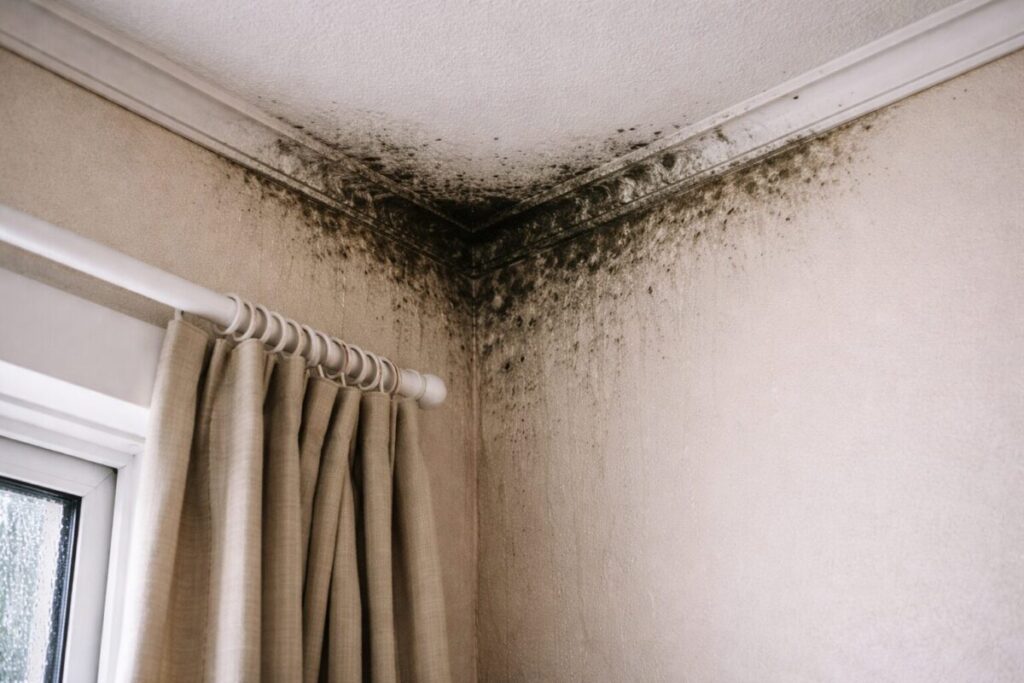
What Actually Works to Reduce Winter Condensation
The good news is that winter condensation is fixable. It takes a combination of approaches rather than a single silver bullet, but none of it is complicated.
Ventilation
Getting air moving through the house is the most effective thing you can do. A positive pressure ventilation system draws drier filtered air from the roof cavity and pushes it through the living spaces, displacing the stale, moisture-laden air that builds up when the house is closed. It runs automatically whether you are home or not.
Even opening windows for 10 to 15 minutes in the morning can help on days when the outdoor air is drier, though this is not always practical in the wettest parts of the country.
Consistent Heating
Keeping the house at a steady, moderate temperature reduces the cold surfaces that condensation needs. You do not need tropical levels, just enough to stop walls and windows from dropping to the point where moisture settles.
A heat pump running at 18 degrees through the evening and overnight is far more effective than cranking it to 25 for an hour and switching it off.
The heat pump technology actually works most efficiently at 20-22°C.
Reducing Moisture at the Source
Small changes add up. Using lids when cooking, running the extractor fan during and for 15 minutes after every shower, drying clothes outside or in a ventilated garage rather than the lounge, and avoiding unflued gas heaters are all practical steps that lower the total moisture load inside the home.
Frequently Asked Questions
Does condensation only happen in winter?
It is most noticeable and most damaging in winter, but it can happen at any time of year if conditions are right. Bathrooms can get condensation after a hot shower, even in summer, and poorly ventilated rooms can build up moisture in autumn and spring. Winter just makes everything worse because of the bigger temperature gaps and reduced ventilation.
Will double glazing stop winter condensation?
Double glazing significantly reduces condensation on the glass itself because the inner pane stays much warmer than single glazing.
It will not eliminate condensation entirely, though, especially if indoor humidity is high. You still need adequate ventilation and heating alongside it.
Is it normal for every window to have condensation in winter?
It is common, but it is not something you should just accept. If every window in the house is streaming with moisture in the morning, that is a strong sign that the indoor humidity is too high, and the home needs better ventilation, better heating, or both.