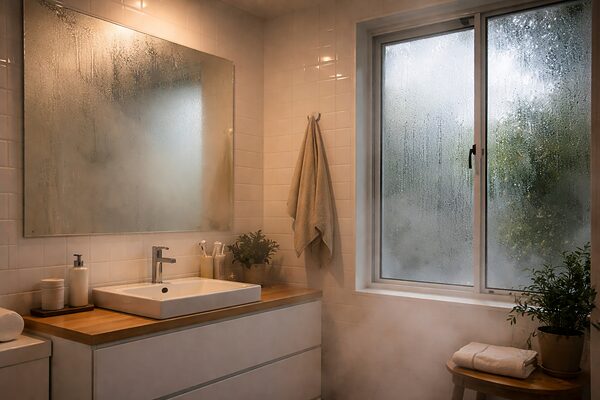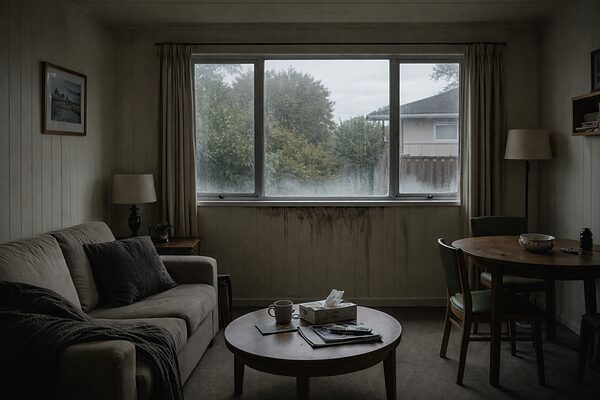
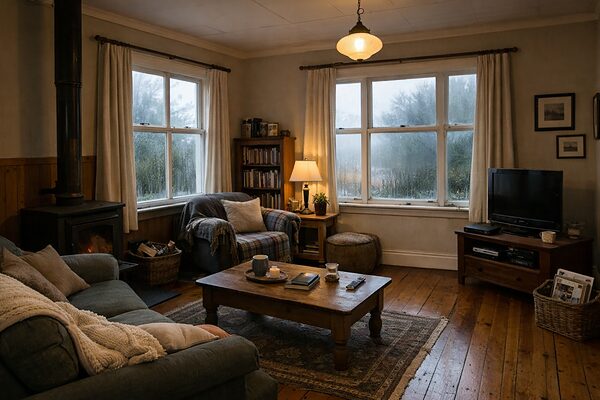
Condensation in Old NZ Homes
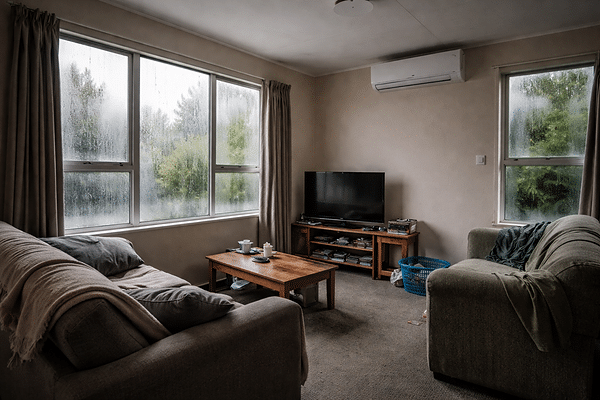
Old villas and state houses have a particular way of holding onto moisture. I have walked into homes where the glass looks fine at 4 pm, then by morning, there is a wet band along the bottom of the panes, and the curtains feel clammy.
I’m talking about cribs, batches, weatherboard, and all the other variations of older homes.
It is rarely one big issue, more a stack of small conditions, cold surfaces, patchy heating, closed doors, and everyday steam from living.
With 10 to 15 years across energy auditing and HVAC, from biomass work in Scotland and Sweden to solar projects in Australia and New Zealand, I start by tracking where the wet air is made and where it gets trapped.
Quick Summary
- Condensation appears when warm indoor air meets colder glass, walls, or ceilings.
- Older homes have more cold surfaces, so the same indoor moisture shows up faster.
- Patchy heating and closed doors overnight are a common setup for wet windows.
- Showers, cooking, and indoor laundry can tip the balance in winter.
- Ventilation and heating work best as a pair, not as separate fixes.
- A dehumidifier can help one room, but it cannot replace whole-home airflow.
What Makes Old Homes Condense So Easily
In older houses, “draughty” does not always mean “well aired.” Air leaks around joinery, but the air often takes the easiest route and bypasses the rooms where moisture is building, so a back bedroom can stay closed up and humid overnight while the lounge feels fine.
They also have more surfaces that chill down quickly. Single glazing is the obvious one, but I also see cold patches at external corners, behind wardrobes, and around window reveals, places where indoor air cools and drops its moisture.
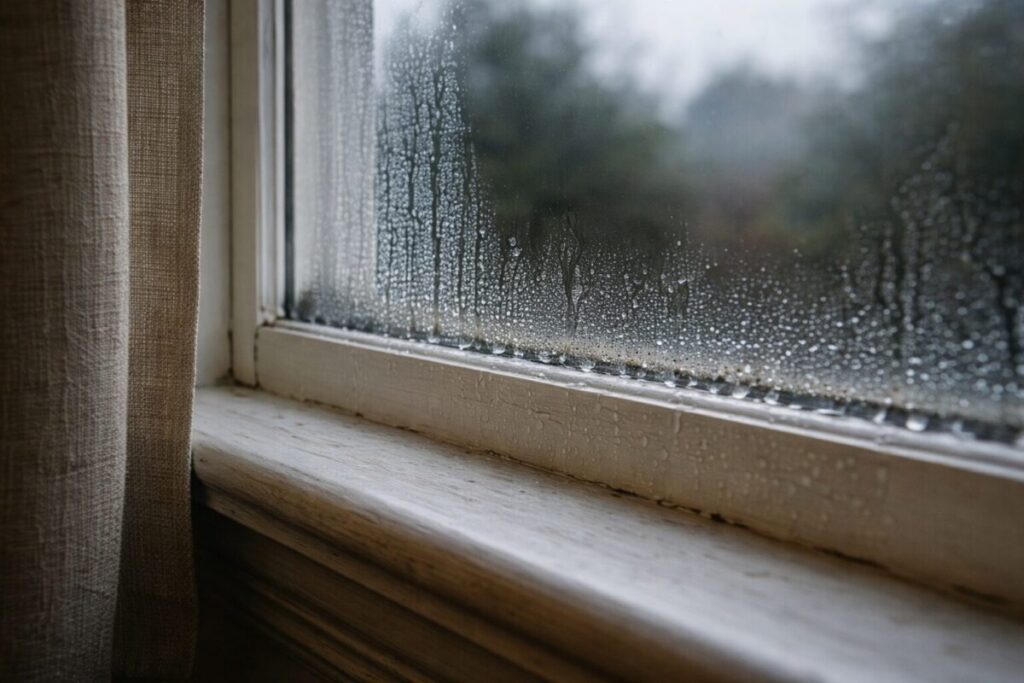
Across most regions, the same winter pattern shows up again and again, and the overview of condensation across NZ homes matches what I see most years.
What Condensation Looks Like Versus Damp or Leaks
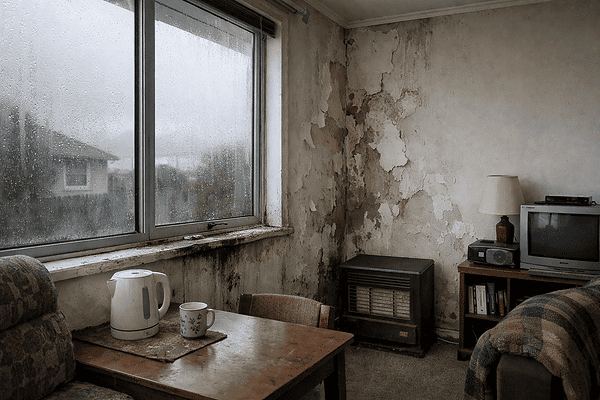
Condensation is water turning from vapour into liquid on a cold surface. You notice it first on windows because glass sheds heat quickly, but it can also show up as a sheen on painted walls, a damp strip at the bottom of curtains, or beads on a metal window frame.
The confusing part is that old homes can also have leaks and ground moisture, and at first glance everything just looks wet.
Separating the buckets early saves a lot of wasted effort, and the guide to condensation, damp and leaks is the same distinction I make on site.
Everyday signs, and what they usually point to:
| Sign | When it shows up | What it usually points to |
|---|---|---|
| Water beads on the inside of glass | Overnight, cold mornings | Condensation on cold glazing |
| A patch that stays wet for weeks | All day, any weather | Leak or ground moisture |
| Water between double glazing panes | Constant haze inside unit | Failed glazing seal |
The goal is not to diagnose everything from the couch, it is to stop treating all moisture as one problem. Once you know which bucket you are in, the next step becomes far more obvious.
Everyday Moisture That Tips the Balance
Most households add a surprising amount of moisture to indoor air, and it does not take much to push an older home over the edge in winter. When outdoor air is cold, indoor surfaces cool down, and the same amount of steam is more likely to condense.
The three sources I see most often are showers, cooking, and indoor laundry. These are normal parts of life, but they behave differently in a villa or state house because rooms are more likely to be used heavily than shut off.
Small habits that tend to make the biggest difference:
- Keep bathroom steam in the bathroom, rather than letting it roll into the hall.
- Use lids on pots when you can, and avoid long simmering with weak extraction.
- If you dry clothes inside, avoid sealed bedrooms and aim for a space with airflow.
Heating Habits That Create Cold Surfaces
Patchy heating is a big driver of morning condensation. A lounge can feel warm at night, then bedrooms cool down fast, and by dawn the window glass is cold enough to collect water even if the air does not feel muggy.
Steadier warmth helps because it keeps key surfaces above the point where moisture drops out of the air. You do not need to heat every room the same way, but you do want to reduce big swings in the rooms that fog up first.
One simple change I often see work is treating bedrooms as part of the same “air circuit” as the rest of the house. If doors stay shut for long stretches, and the lounge is the only warm space, you end up with a warm zone and a cold zone, and condensation follows the cold zone.
Ventilation Approaches That Suit Villas and State Houses
Ventilation is controlled air movement that replaces wet indoor air with drier outdoor air. The basics in how ventilation works are simple, but older homes need a reliable air path so moisture can leave bedrooms and back rooms, not just the lounge.
I think in layers. Start with extraction where moisture is made, then support it with whole-home air movement so closed rooms do not stagnate overnight.
Positive pressure systems that take air from the roof cavity, filter it, and push it through the house can suit some older homes, but only when the roof space stays reasonably dry and filters are kept clean.
In a long wet spell, some roof cavities hold a damp smell and a higher moisture load than people expect, and that is not air you want pushed into living spaces.
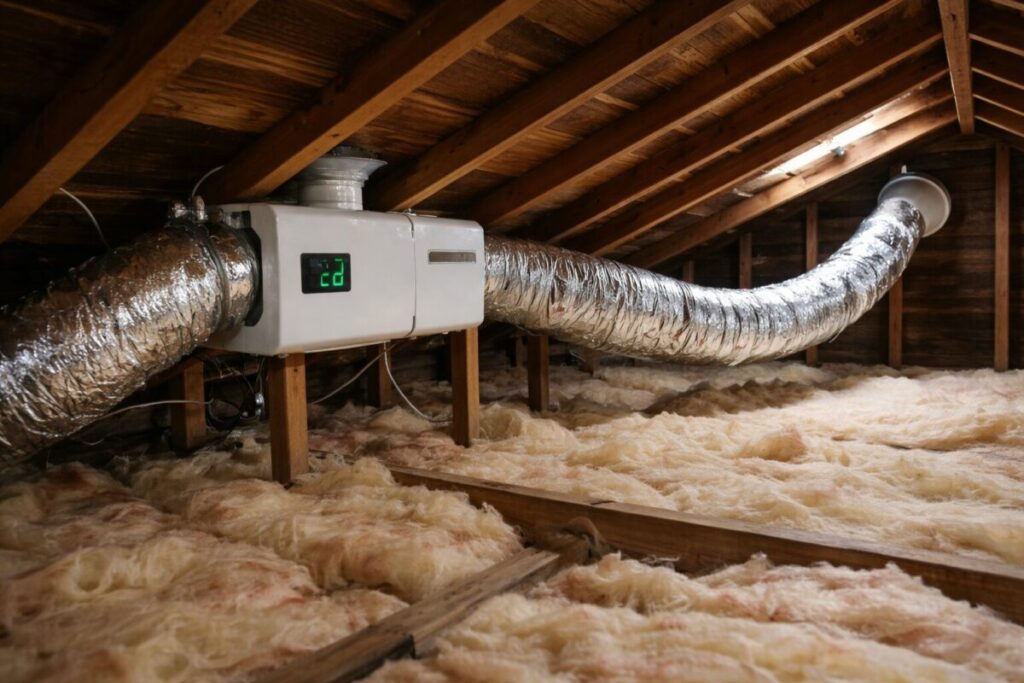
When a home has both high moisture production and weak air paths, the biggest gains usually come from consistency. A little extraction used every day, plus steadier heat in the rooms that chill fastest, tends to beat occasional big “air outs.”
Where a Dehumidifier Helps and Its Limits
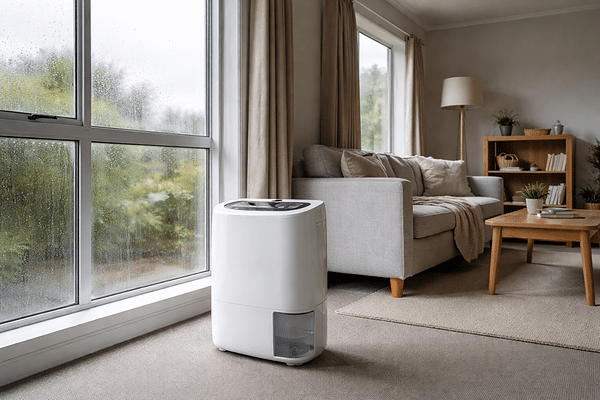
A dehumidifier can be useful when one room is struggling, especially a bedroom in winter. It pulls water out of the air in that space, which can reduce window fog and help fabrics dry faster over a few days.
The limitation is that it treats one pocket of air and does not create airflow between rooms. Used alongside steady warmth and ventilation, it can be a helpful support tool, and dehumidifiers for condensation explain that role clearly.
Bedroom Condensation, Why It Shows Up First
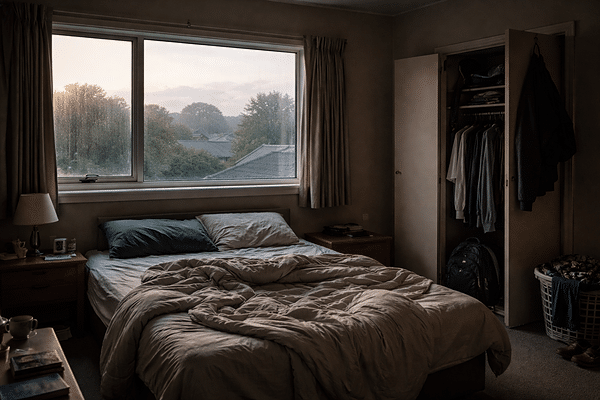
Bedrooms are small, often kept shut for warmth and privacy, and they collect moisture overnight. A cold window is the easiest place for that moisture to show itself by morning, so wet glass is often your first visible clue that the room is not exchanging air.
If only one bedroom has wet windows, start with the layout and habits. Curtains touching the glass, a tightly closed door, and no steady heat can be enough to tip it over, even if the rest of the house seems fine.
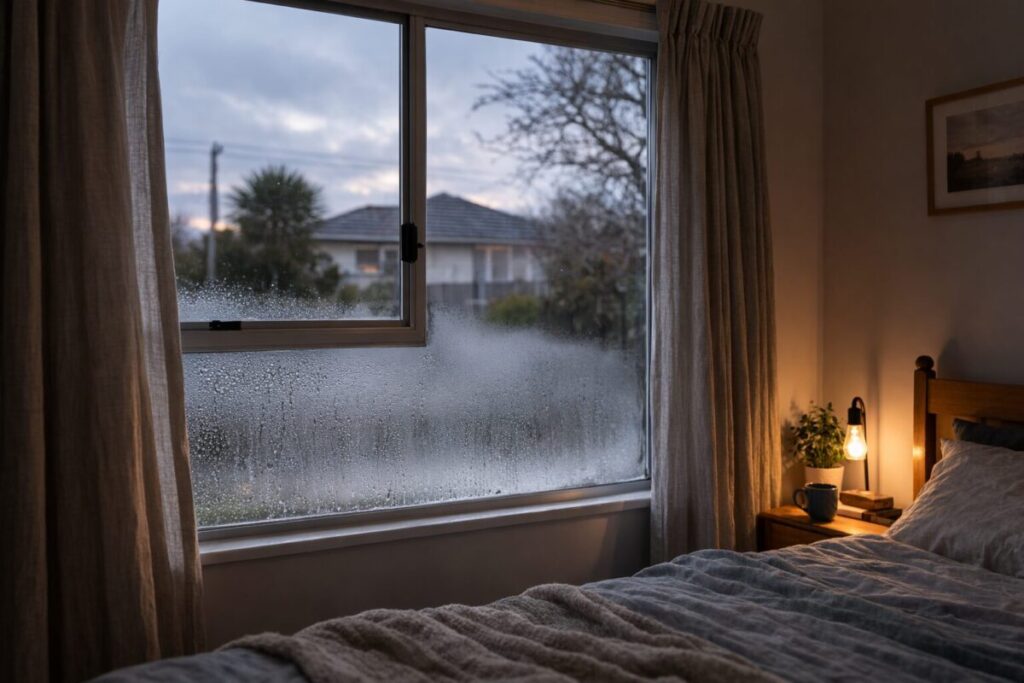
The patterns in bedroom condensation are a good mirror for what I see in villas and state houses every winter, the room feels cosy, but the air has nowhere to go.
Frequently Asked Questions
Is condensation normal in an old NZ villa?
Some window fog on winter mornings is common. Regular pooling on sills, or wet patches appearing across several rooms, usually means the moisture load and airflow are out of balance.
Why does it get worse after I renovate a room?
Tightening a room can reduce uncontrolled air leaks, which is great for warmth. It can also reduce natural air exchange, so if you do not replace that with intentional ventilation, moisture can build up faster.
Do I need to keep heating on all night?
Not necessarily. Older homes tend to do better with steadier warmth than short bursts, especially in bedrooms, because warm surfaces are less likely to drop below dew point.
Will a ventilation system stop condensation completely?
It can reduce it a lot when it is sized and used well. Results still depend on how much moisture is being produced indoors and how cold the key surfaces are, especially windows.
Leave a comment, always love to hear from you.