Condensation in NZ Homes: Causes & Fixes
I have been working around energy auditing and house design for energy efficiency in New Zealand homes for years now, and condensation is hands down the most common moisture issue I come across.
It does not matter whether the house is a 1960s weatherboard in Bluff or a modern build in Auckland, condensation finds a way in.
The good news is that once you understand what causes it, it can be dealt to to reduce dust (dust mites production), structural moisture and make it ALOT easier to heat in winter.
Causes:
- Condensation happens when warm, moist indoor air hits a cold surface like windows and turns into water
- Common in New Zealand homes during colder months because indoor air is often moist while windows and walls stay cold
- People release water into the environment daily, awake and asleep. We humidfier the house
- Heating helps because warmer surfaces collect less water, therefore houses stay drier
- Bathrooms, laundry, kitchens, and bedrooms are the most common trouble spots
- Everyday habits matter: use extractor fans, cover pots while cooking, and avoid drying clothes indoors when possible
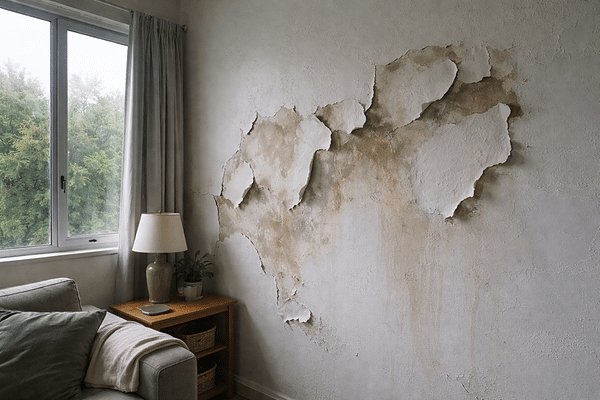
- If you see mould, musty smells, or water running down surfaces, moisture levels are too high and you need to act quickly
- The most reliable long-term fix is better ventilation, because it removes moist air instead of just hiding the symptoms
Fixes for Condensation
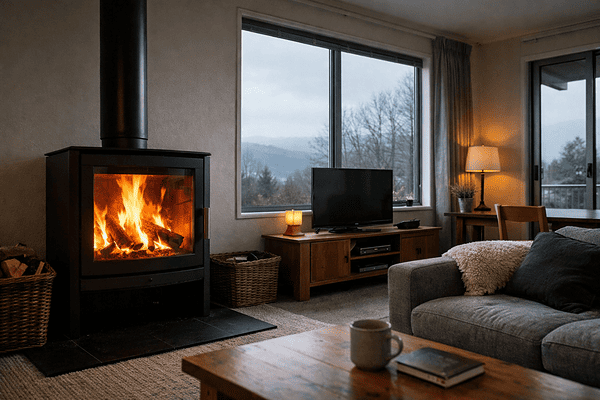
- Heat the home to warm walls and windows
- Use effective extractor fans in bathrooms and kitchens
- Open windows briefly to allow airflow in cooler months
- Avoid drying clothes indoors when possible
- Install a ventilation system to remove moist air consistently
What Condensation Actually Is
Condensation is moisture from the air landing on a cold surface and turning into water. The air inside your home always carries some amount of moisture, and when that air meets something cold enough, the moisture drops out as water droplets.
Think of a cold glass of water on a summer day. The glass is not leaking. The water on the outside comes from warm, humid air hitting the cold surface. The exact same thing happens inside your home on your windows, walls, and sometimes even your ceiling.
The temperature at which this happens is called the dew point. In a typical New Zealand winter, your indoor air might be at 15 or 16 degrees with moderate humidity. If your window glass is sitting at 8 or 9 degrees, that is well below the dew point, and you will get water forming on it every time.
Why NZ Homes Are So Prone to Condensation
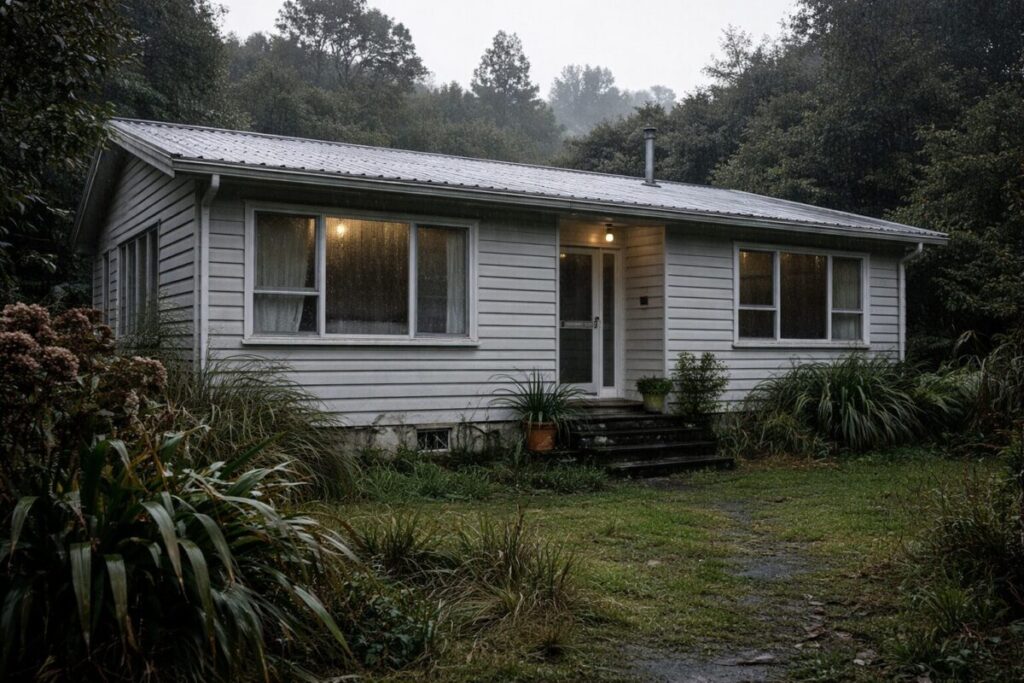
New Zealand has a unique combination of factors that make condensation more common here than in many other countries.
- Insulation (although it can make it worse also)
- Extremes Colder/Hotter
- High Outdoor humidity in many regions
A lot of older NZ homes were built with wooden framed or aluminium single-glazed windows, minimal insulation, and no dedicated ventilation systems. That combination is basically a recipe for condensation.
The walls and windows get cold quickly once the sun drops, and all the moisture from cooking, showering, and breathing has nowhere to go. Condensation through the winter months is when this really ramps up, because the temperature gap between inside and outside is at its greatest.
Even newer homes are not immune. Modern builds are much more airtight, which is great for energy efficiency but can trap moisture inside if the ventilation is not keeping up.
Where Condensation Shows Up Most
Condensation does not spread evenly through a house. It targets the coldest surfaces and the rooms where moisture is highest, which means certain areas cop it far worse than others.
Windows and Window Frames
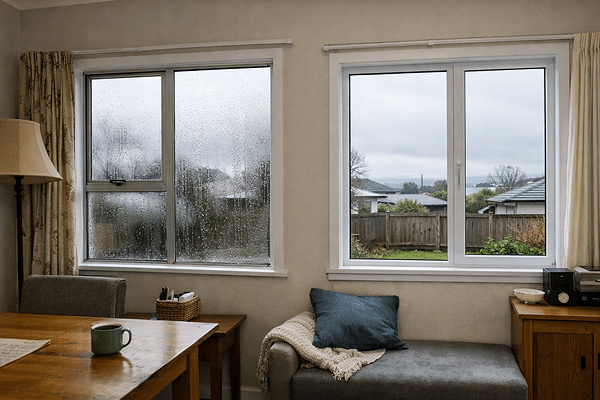
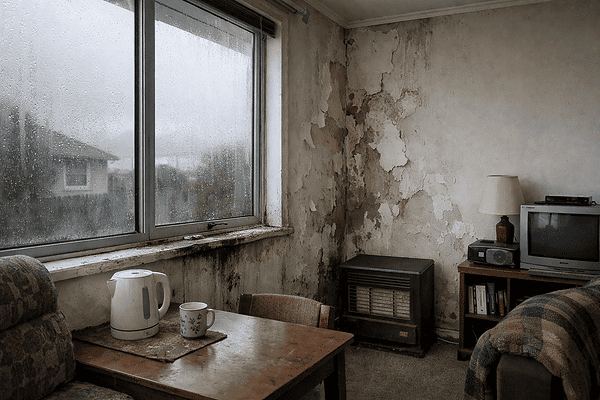
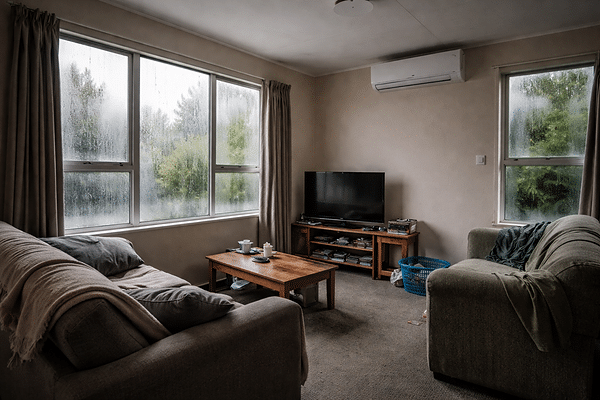
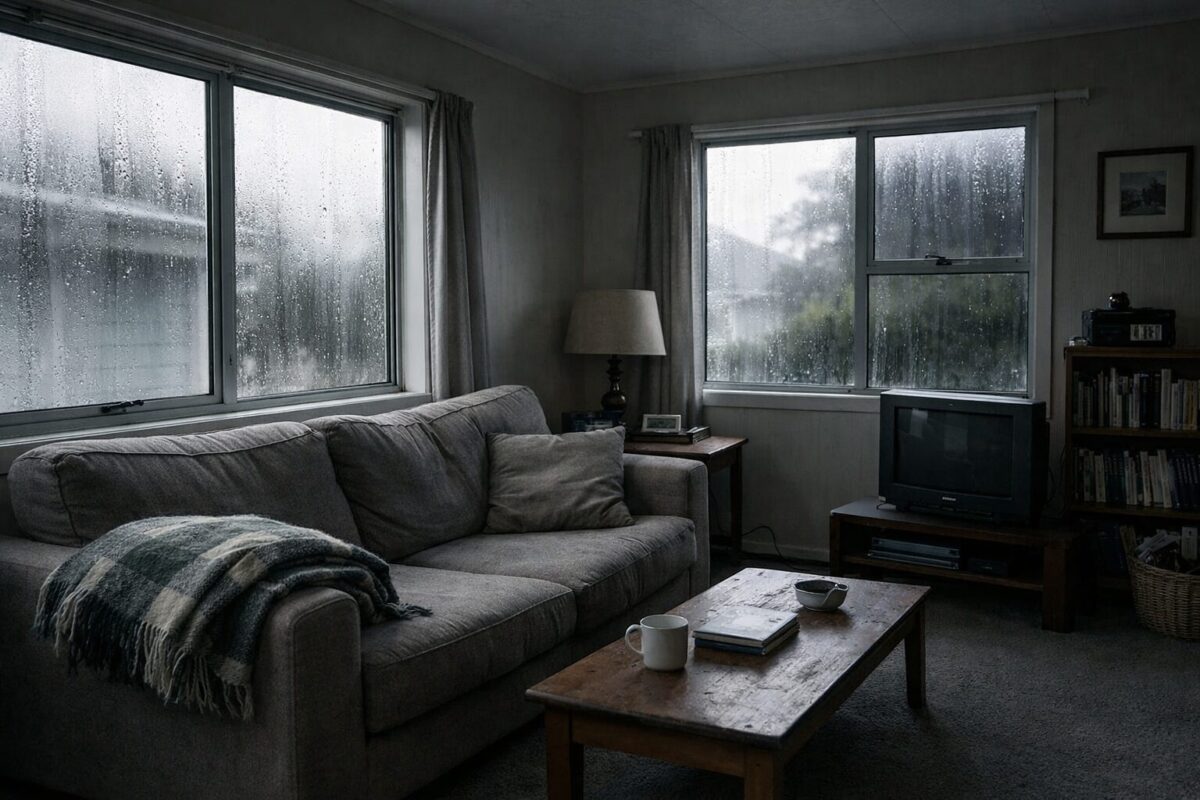
This is the number one spot. Windows are the coldest surface in most rooms, so they are always going to be the first place moisture lands. Aluminium-framed windows with single glazing are the worst offenders, because aluminium conducts cold straight through the frame and into the room.
You will often see water pooling along the bottom of the glass, dripping onto the sill, and eventually causing paint to bubble or timber to soften. Moisture also creates molds on curtains eventually.
Double glazing helps a lot, but it does not eliminate condensation entirely. If the humidity inside is high enough, you can still get moisture forming on double-glazed windows, especially in bedrooms overnight.
Bedrooms
Bedrooms are a condensation hotspot for a simple reason. We close the door, sleep for eight hours, and breathe out a surprising amount of moisture overnight.
A single person can add around 200-800ml of moisture to the air in one night.
Put two people in there, and you have moisture by morning with nowhere to go.
I see this constantly in bedrooms where condensation builds up overnight because the door stays closed and there is no air movement. The windows are streaming, the walls feel damp, and sometimes you can even feel the moisture in the carpet.
Bathrooms and Kitchens
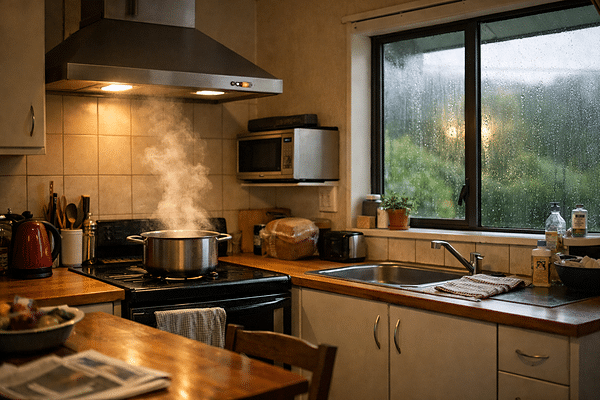
These rooms produce the most moisture in the shortest amount of time. A single hot shower can release over a litre of moisture into the air. Boiling the kettle, cooking on the stovetop, and running the dishwasher all add to it.
Everyday activities like showering and cooking are responsible for a huge portion of indoor moisture, and without proper extraction, that moisture spreads through the rest of the house.
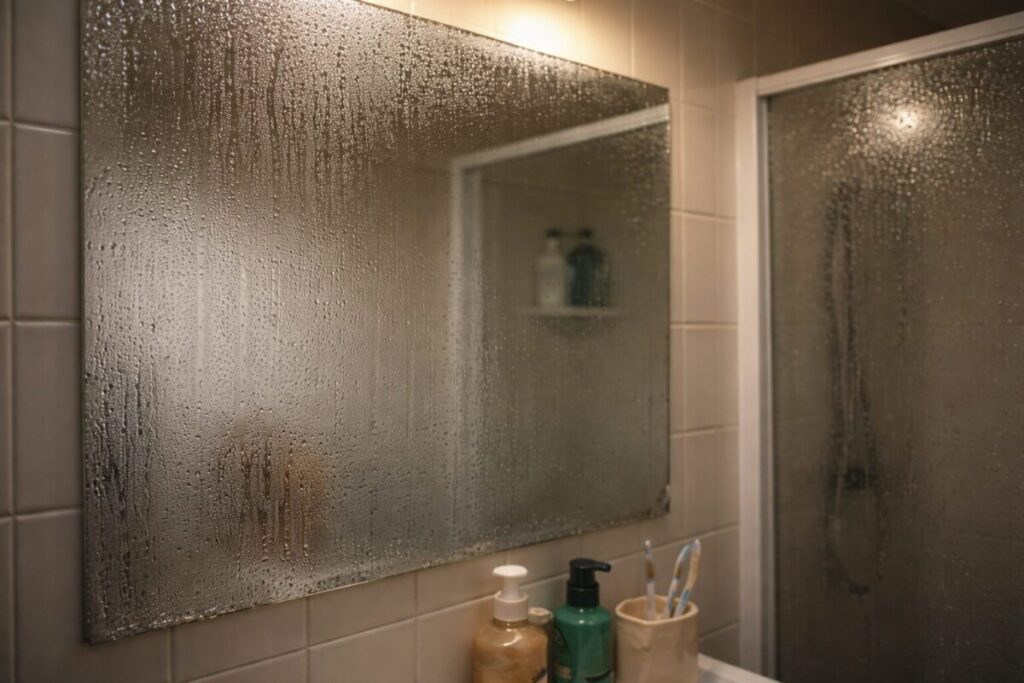
I always tell homeowners to check their extractor fans. A surprising number of bathroom fans in NZ homes are either undersized, clogged with dust, or vented into the ceiling cavity rather than outside.
That is not effective at extracting moisture.
Laundry
Alot of moisture can come from the washing or drying of clothes, hung on a rack inside or a drier running inside with appproriate extraction fans.
It’s another source that sometimes is forgotten about, it can definitely add to condensaiton issues.
What Actually Fixes Condensation
There is no single magic fix, but there are three things that make the biggest difference in every home I work on.
Ventilation
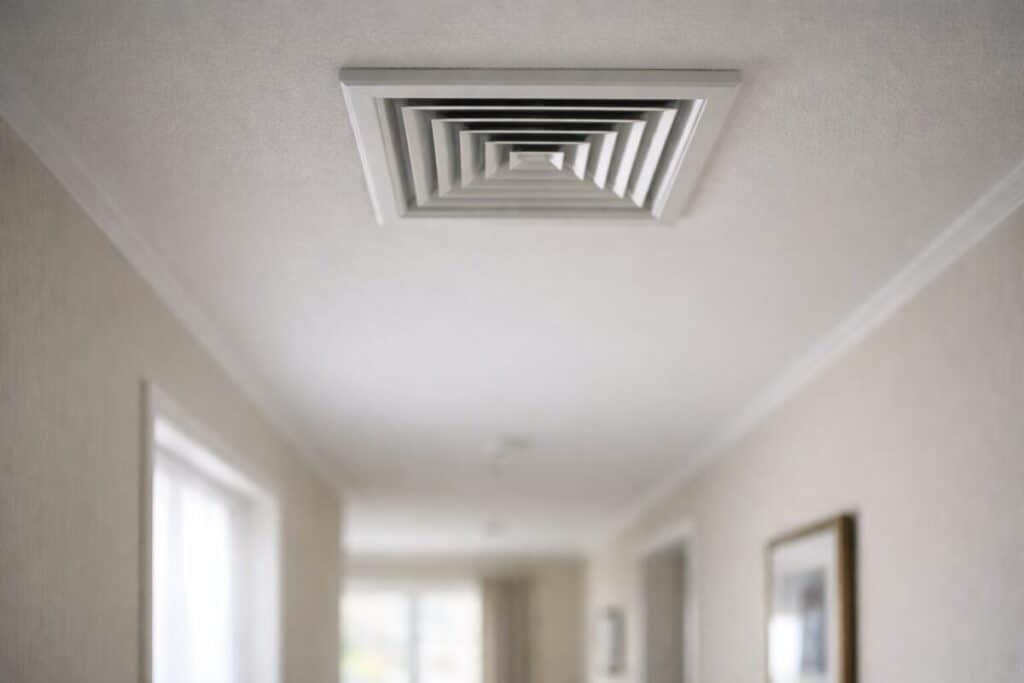
This is the big one. Moving air through the house is the single most effective way to reduce condensation. Ventilation works by replacing moist indoor air with drier air, lowering the moisture content and reducing the likelihood of condensation on cold surfaces.
Positive pressure ventilation systems, which draw filtered air from the roof cavity and push it through the house, are one of the most common solutions in New Zealand.
They work well because the air in your roof space is typically drier than the air inside the living areas. The constant gentle airflow also helps even out temperatures, reducing cold spots where condensation forms.
Opening windows helps too, but it is not always practical in the middle of a Southland winter. A mechanical system gives you consistent airflow without thinking about it.
Heating
Warmer air can hold more moisture before it reaches the dew point, and warmer surfaces are less likely to cause condensation.
Heating your home consistently, rather than blasting the heat for an hour and letting it drop, keeps surfaces warmer and reduces the temperature swings that cause moisture to form.
Heat pumps are one of the most efficient ways to do this in NZ. They warm the air without adding any moisture, unlike unflued gas heaters, which release a significant amount of water vapour as a byproduct of combustion.
Reducing Moisture at the Source
Some simple habits make a real difference. Using lids on pots, running the extractor fan during and after showers, drying clothes outside rather than on an indoor rack, and wiping down windows in the morning all help reduce the moisture floating around inside.
| Moisture Source | Approximate Output |
| Cooking (gas hob, no lids) | Up to 3 litres per day |
| Showering (per person) | 1 to 1.5 litres per shower |
| Drying clothes indoors | Up to 5 litres per load |
| Breathing (per person, overnight) | 200 to 300ml |
| Unflued gas heater (per hour) | Up to 1 litre |
When you look at those numbers, it is easy to see how a household can be adding 10 or more litres of moisture to the air every day. No amount of ventilation can keep up if the moisture sources are not managed.
Frequently Asked Questions
Is condensation normal in New Zealand homes?
Yes, to a degree. Some condensation on windows during cold mornings is common in most NZ homes, especially older ones. But if you are seeing water running down walls, persistent dampness, or mould starting to appear, that is a sign the moisture levels are too high and something needs to change.
Will a dehumidifier fix condensation?
A dehumidifier can help reduce moisture levels in a specific room, but it treats the symptom rather than the cause. Without proper ventilation and heating, the moisture will keep building up. Dehumidifiers work best alongside a proper ventilation setup, not as the only solution.
Does opening windows help with condensation?
It can, especially when the outdoor air is drier than the indoor air. Even 10 to 15 minutes of cross-ventilation in the morning can make a noticeable difference. The challenge is that in winter, or in wet coastal areas, the outdoor air can be just as humid, which limits what opening windows can achieve on its own.
Can I just wipe the condensation away?
Wiping windows down in the morning is a good habit, because it removes the moisture before it can soak into timber frames or encourage mould growth. But it is not a long-term fix. If you are wiping windows every morning, the real question is why that much moisture is forming in the first place.